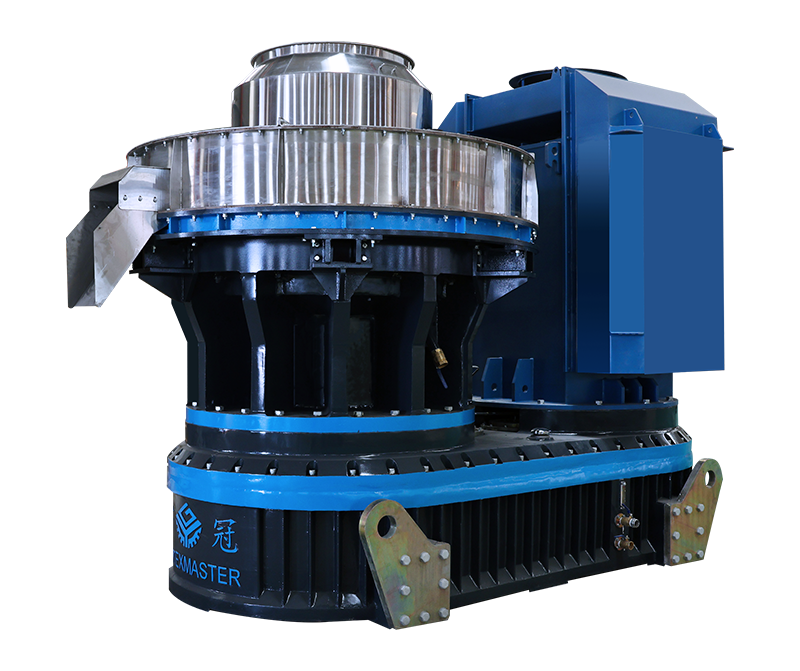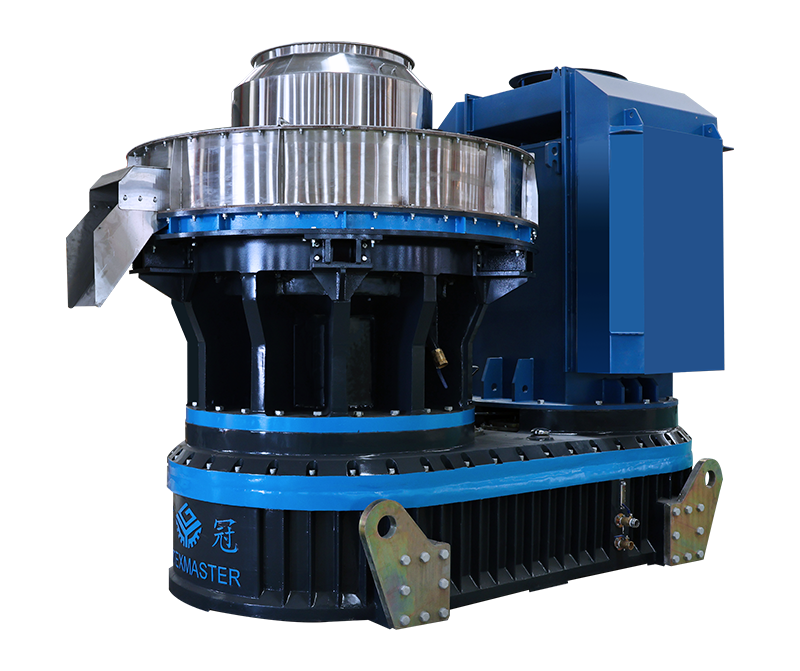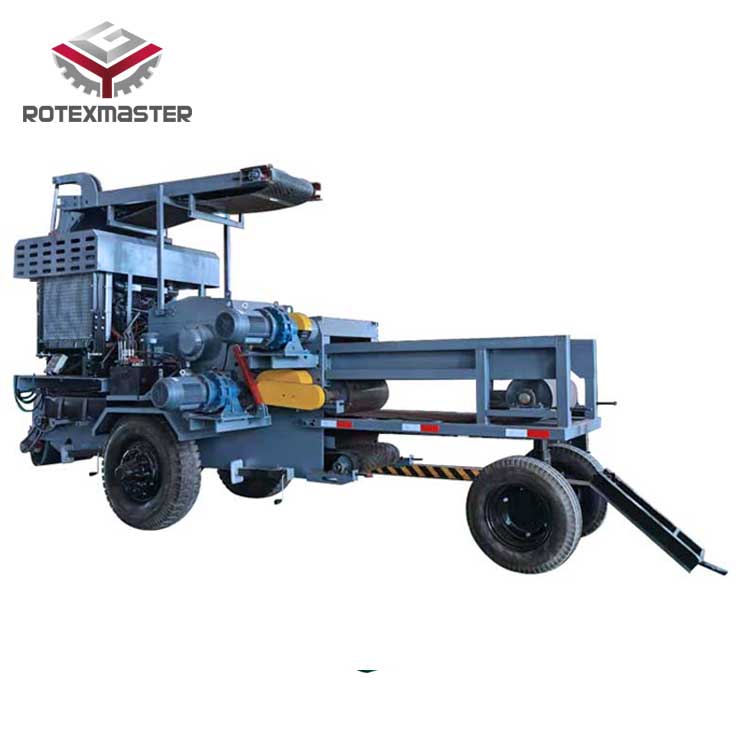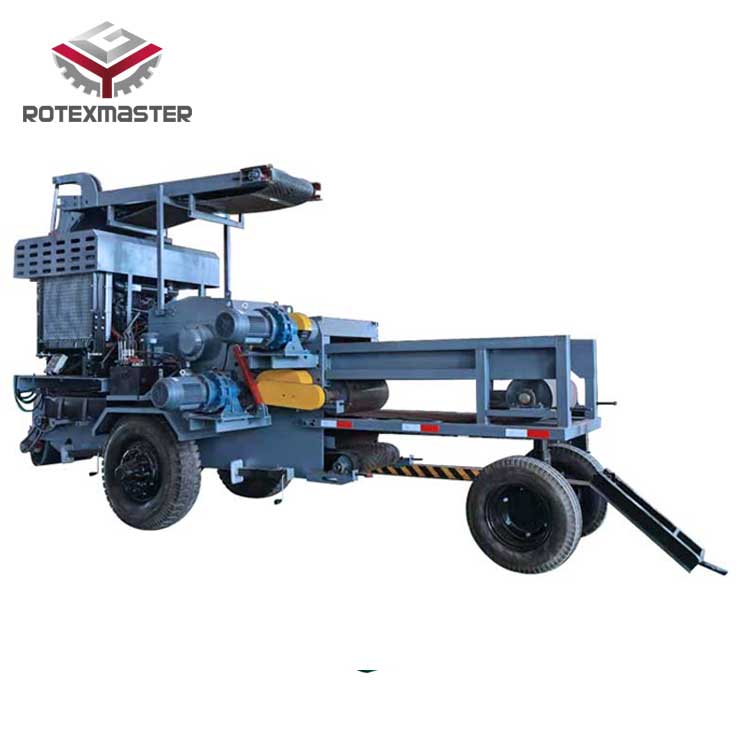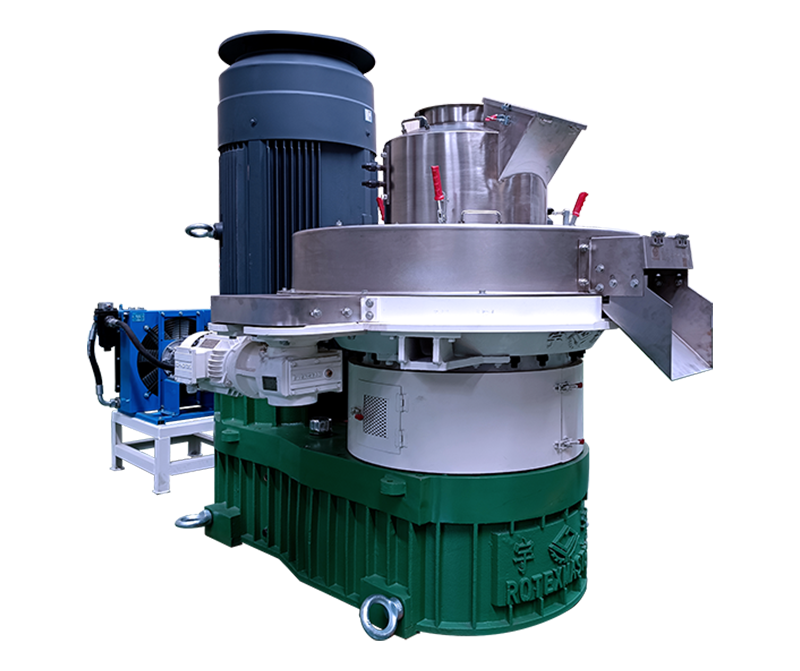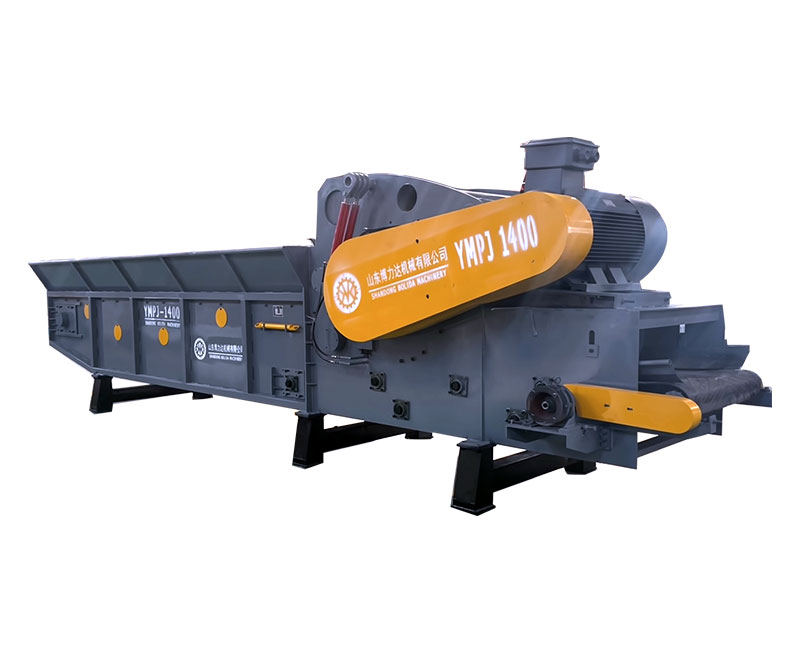


Wood hammer mills are the dominant industrial grinding machine for wood size reduction and wood waste recycling across the biomass and woodworking industries. For wood processing plants seeking high efficiency, flexible particle output, and stable continuous production, a professional wood hammer mill outperforms traditional wood chippers and roller grinders in nearly every practical metric. Industrial operators rely on wood hammer mill systems to process raw timber, wood offcuts, and mixed wood residues, delivering consistent pulverization results for commercial biomass production and wood waste valorization.
A key advantage of a wood hammer mill lies in its exceptional feedstock flexibility, solving a major pain point in daily wood processing operations. Factories regularly handle diverse raw materials, including tree branches, wood offcuts, waste pallets, tree bark, and sawmill residues, covering both dense hardwood and soft fibrous softwood. Variable batch moisture content further complicates wood processing workflows for conventional machinery. Standard wood chippers fail to handle mixed, unsorted wood waste efficiently, yet industrial wood hammer mills effortlessly process these diverse feedstocks with minimal pre-sorting and pre-treatment, greatly streamlining overall wood processing workflows.
How Does a Wood Hammer Mill Work?
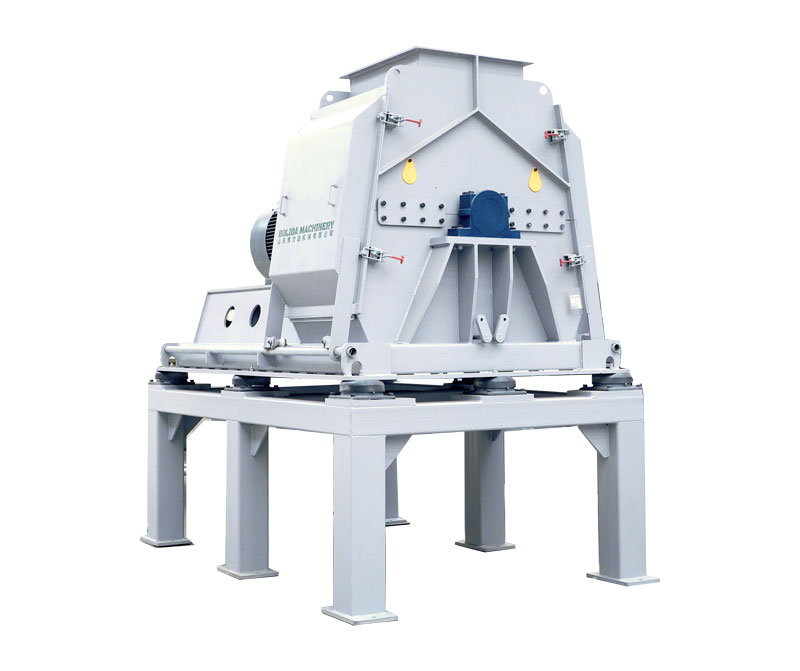
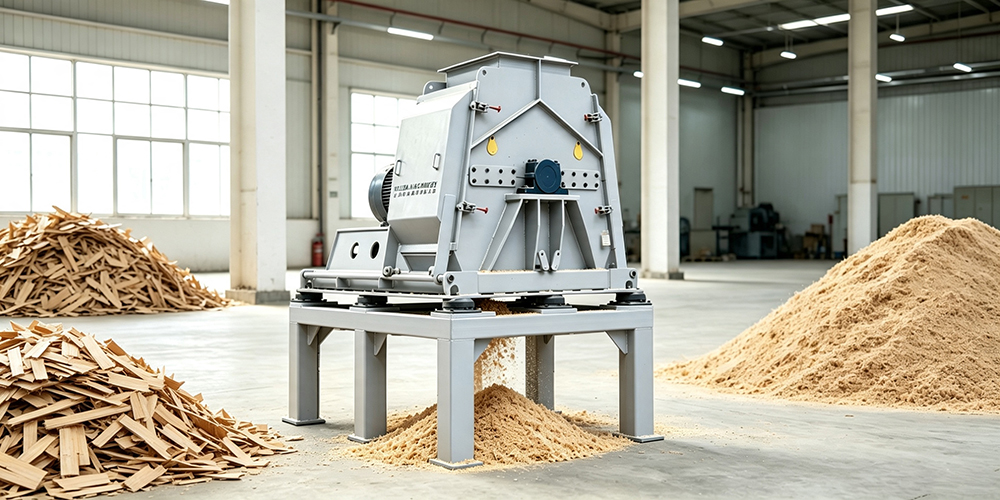
The working mechanism of a wood hammer mill is robust, straightforward, and highly reliable for industrial wood processing. At its core, the wood hammer mill features a set of high-speed rotating steel hammers housed inside a heavy-duty grinding chamber. Once raw wood materials enter the chamber, the rotating hammers deliver continuous high-velocity impact, crushing, shattering, and pulverizing wood stock into small particles. These wood particles remain inside the grinding chamber until they reach a size fine enough to pass through the machine’s interchangeable perforated screen, the key component that controls final output specifications.
Operators fully control finished product specifications by swapping screens on the wood hammer mill. Larger screen apertures produce coarse wood chips, medium screens generate standard sawdust, and fine-mesh screens yield ultra-fine wood powder. This simple adjustability allows a single wood hammer mill unit to support multiple downstream production lines, eliminating the need for multiple specialized grinding machines and reducing factory equipment investment. The uncomplicated working principle also cuts down complex on-site setup and calibration, maximizing daily wood processing output.
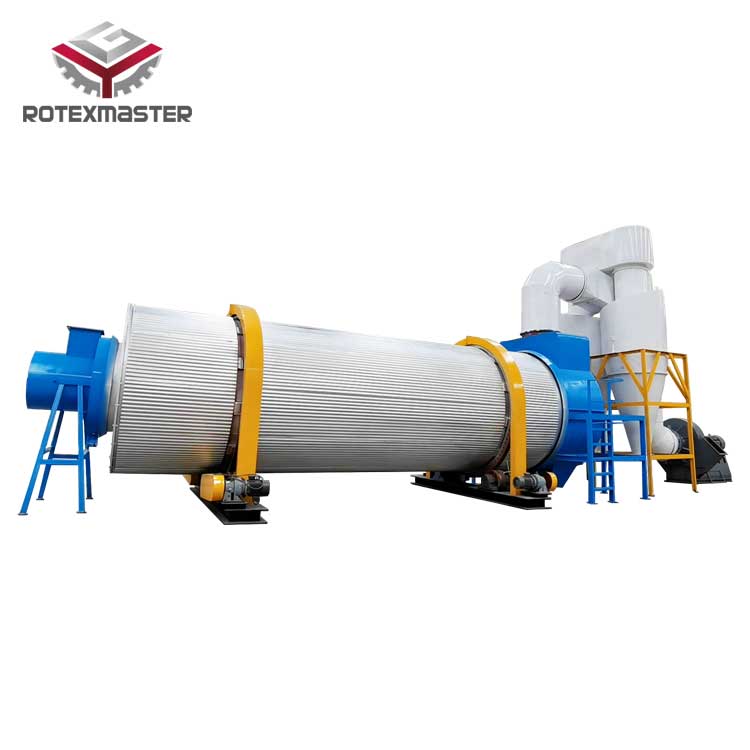
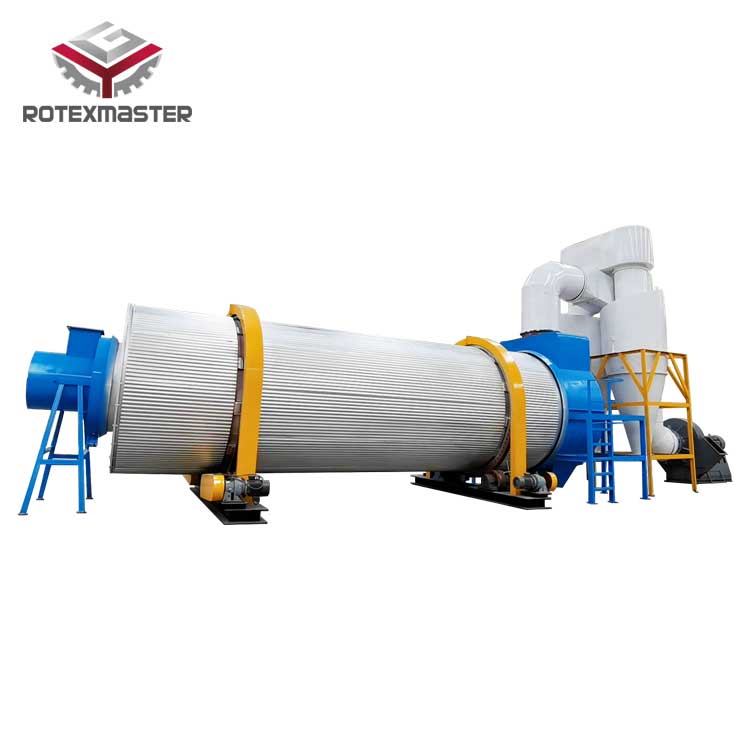
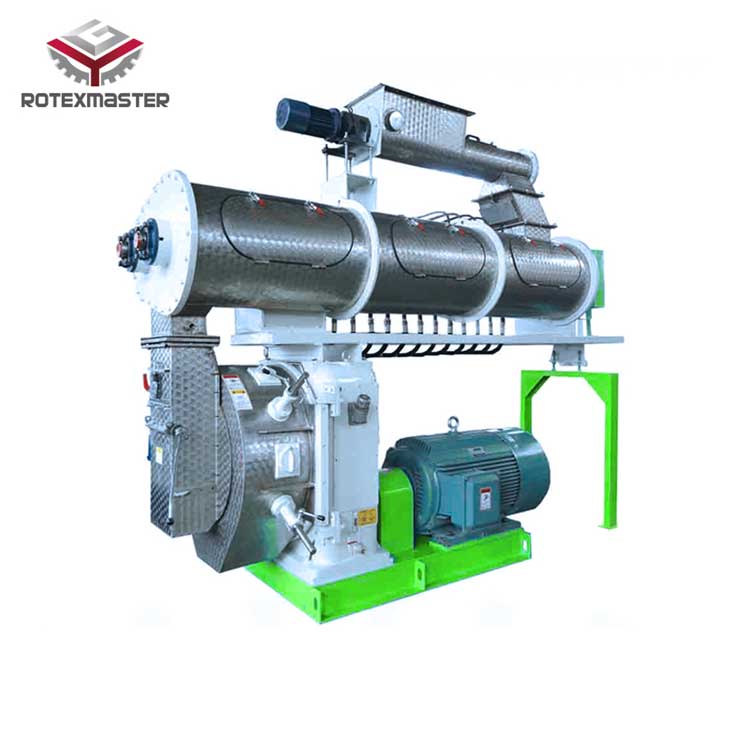
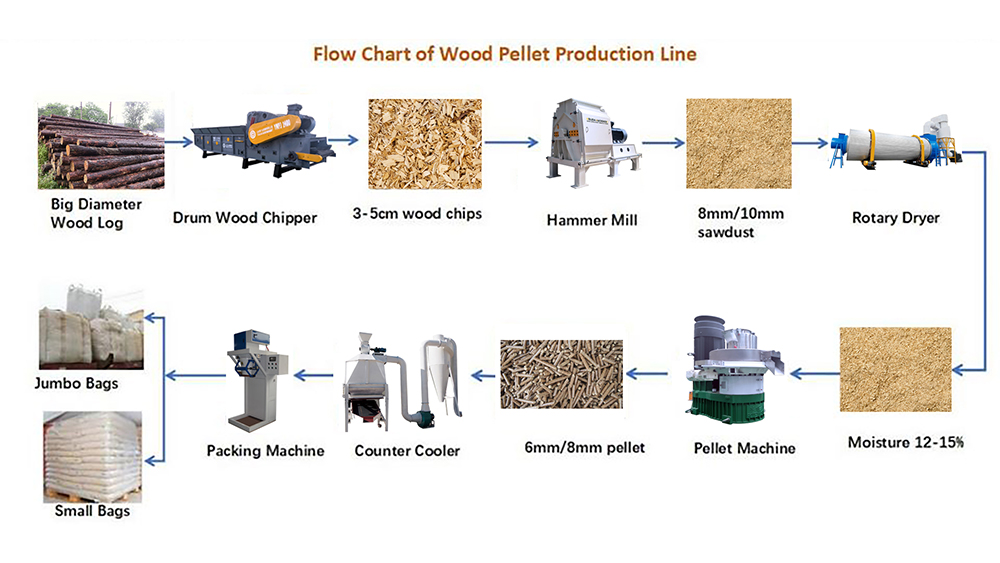
Uniform particle consistency produced by wood hammer mills is critical for premium-grade downstream wood manufacturing, especially biomass pellet production. Irregular wood particles from low-quality grinding cause unstable pellet density, poor combustion performance, excessive die abrasion, and high production waste. A calibrated wood hammer mill delivers evenly sized wood particles consistently, optimizing rotary dryer drying efficiency, boosting biomass pellet yield and quality, and supporting reliable production of particle boards, premium animal bedding, and industrial wood flour.
Key Advantages of Hammer Mills for Wood Processing
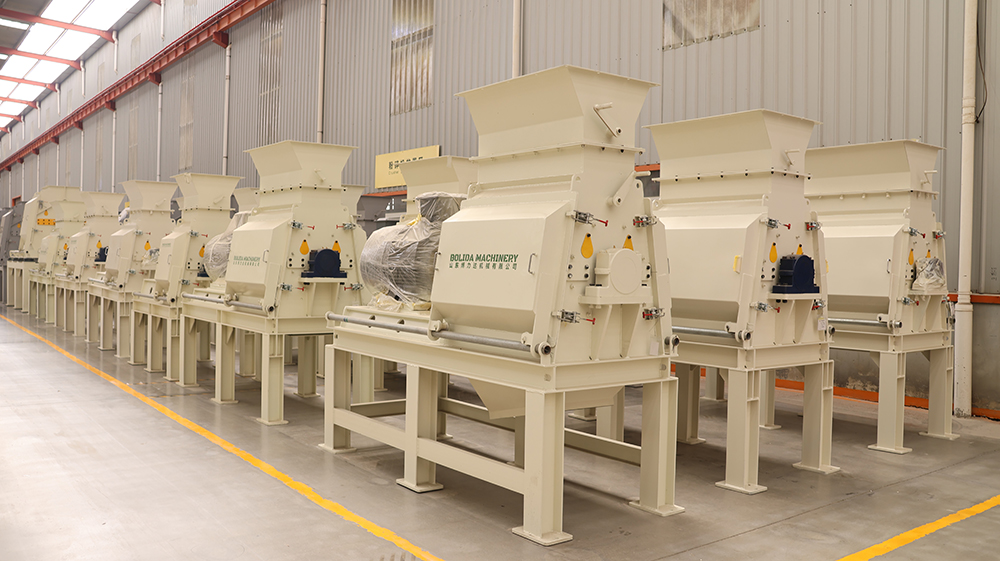
Wood hammer mills dominate modern wood processing and wood waste recycling applications due to their unmatched combination of versatility, durability, and cost efficiency. Compared with other wood grinding equipment, industrial wood hammer mill units deliver comprehensive practical advantages for large-scale wood processing operations:
Versatile Feedstock Compatibility: The equipment efficiently processes branches, waste pallets, tree bark, sawmill offcuts, and mixed wood residues with little to no pre-sorting. It adapts seamlessly to both hardwood and softwood materials, accommodating diverse raw material types for wood processing plants.
Fully Adjustable Particle Size: Operators can replace screen sizes to flexibly produce coarse wood chips, ordinary sawdust, or fine wood powder, precisely matching different downstream production and market demands.
High Continuous Throughput: Designed for long-hour industrial operation, hammer mills deliver large processing capacities within a compact floor space, perfectly suited for continuous shift production in medium and large wood processing factories.
Cost-Effective Investment: Compared with roller mills and other high-end wood grinding equipment, wood hammer mills feature lower initial purchase costs and lower overall operational costs, providing higher cost-performance for bulk wood waste reduction and recycling.
Simple On-Site Maintenance: Core wearable components, including hammers and screens, are standardized and easy to replace on-site. No professional technical personnel or complex maintenance procedures are required, minimizing manual operation costs.
Excellent Foreign Object Tolerance: The swinging hammer design allows hammers to deflect automatically when small nails or tiny metal impurities enter the grinding chamber. This core protective mechanism prevents major machine damage and effectively reduces unplanned production downtime.
Effective Waste-to-Value Conversion: The equipment converts waste wood and discarded wood materials into high-value saleable raw materials for biomass pellets, garden mulch, wood composite panels, and biofuel, realizing resource recycling.
Wood hammer mills excel in high-capacity continuous processing, making them the top choice for industrial wood waste recycling projects. Engineered for non-stop long-shift operation, modern wood hammer mill systems process massive volumes of wood waste within a compact floor footprint, perfectly fitting space-limited workshop environments. When compared to precision roller mills, wood hammer mill equipment provides higher hourly throughput with far lower upfront capital investment, significantly improving profit margins for wood recycling and biomass production enterprises.
Low-maintenance design is another defining advantage of industrial wood hammer mills. The machine’s only wearable core components are standard hammers and screens, which can be quickly replaced by on-site workshop staff without professional technical training.ining or specialized tools. Additionally, the flexible swinging hammer design of the wood hammer mill automatically deflects when hard foreign objects such as small nails enter the grinding chamber, preventing severe equipment damage and eliminating unplanned production downtime in complex wood processing environments.
For woodworking and biomass enterprises, wood hammer mills serve as core waste-to-value processing equipment. Waste sawmill scraps, construction wood residues, and discarded wooden pallets that would otherwise be landfilled or discarded are fully repurposed via wood hammer mill pulverization. Processed wood materials become marketable raw materials for biofuel production, composite panel manufacturing, and landscape mulch, helping factories cut waste disposal costs and create sustainable additional revenue streams.
Limitations of Wood Hammer Mills
Though wood hammer mills deliver exceptional performance for most wood processing scenarios, they have minor operational limitations. Extremely wet, sticky wood feedstock cannot be processed directly without pre-treatment, as excess moisture will clog wood hammer mill screens and reduce grinding efficiency. Operators can resolve this issue and maintain stable output by adjusting screen size, rotor speed, and feeding rate, or applying pre-drying based on raw wood moisture conditions.
Frequently Asked Questions (FAQs)
Q1: What end products can a wood hammer mill produce?
A1: Materials processed by a wood hammer mill cover biomass fuel pellets, livestock animal bedding, garden landscape mulch, particle board raw materials, industrial wood flour, and various customized wood-based products.
Q2: Can wood hammer mills process wet wood directly?
A2: Wood hammer mills handle moderately moist wood feedstock perfectly. However, extremely wet and sticky wood will cause screen clogging and lower grinding efficiency. Pre-drying is strongly recommended for high-moisture wood to ensure stable wood hammer mill operation and consistent output quality.
Q3: How to adjust the final particle size of hammer mill-processed wood?
A3: You can adjust the particle size on a wood hammer mill by replacing perforated screens. Smaller screen holes produce finer wood powder, while larger screen holes generate coarse wood chips and standard sawdust for different application needs.
Q4: What are the main wearable parts of a wood hammer mill?
A4: For standard wood hammer mills, hammers and screens are the primary wearable and consumable parts. Keeping spare components on hand minimizes wood hammer mill downtime and ensures continuous wood processing production.
Conclusion
Wood hammer mills remain the most reliable, cost-effective, and versatile grinding solution for modern wood processing and wood waste recycling. With wide feedstock compatibility, fully controllable particle size, high continuous throughput, and low maintenance requirements, industrial wood hammer mill systems adapt perfectly to small workshop processing and large-scale biomass production plants alike. For enterprises pursuing stable output, reduced operational costs, and maximum wood waste resource utilization, wood hammer mills are an indispensable core piece of woodworking equipment.