

Global demand for biomass pellet fuel keeps rising. More factories, power plants and residential heating users choose biomass pellets to cut carbon emissions. The biomass pellet industry sees steady investment across Asia, Europe and Southeast Asia. New production projects are launched to meet growing overseas market orders.
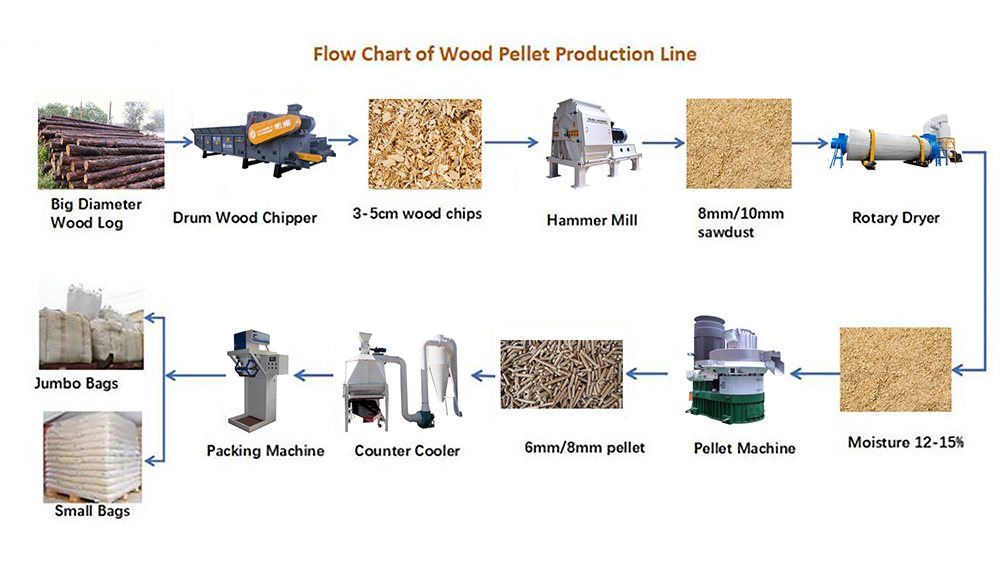
Biomass pellets are clean solid renewable fuel. Raw materials include sawdust, wood chips, crop straw and agricultural residues. Through crushing, drying, pelletizing and cooling processes, loose waste turns into high-density, easy-transport fuel pellets. Stable heat value and low pollutant output make it a practical alternative for coal and heavy oil in heating and power generation.
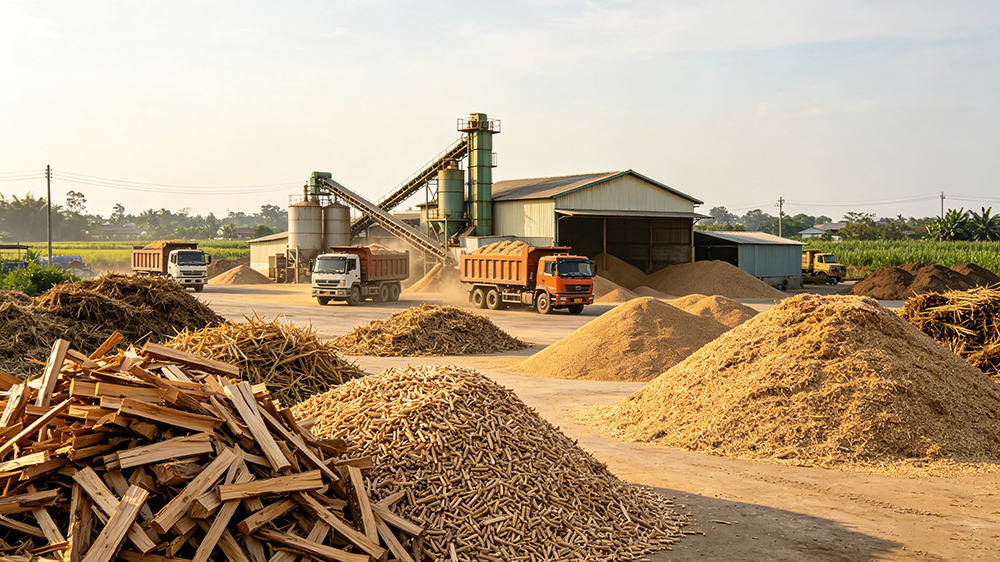
Main Driving Factors for Biomass Pellet Market Growth
l Governments push decarbonization policies. Many regions give incentives for renewable solid fuel consumption.
l Industrial factories replace fossil fuel boilers. Factories want lower carbon tax and cleaner thermal supply.
l Abundant agro-forest waste resources. Waste material can be reused instead of land-filled or burned directly.
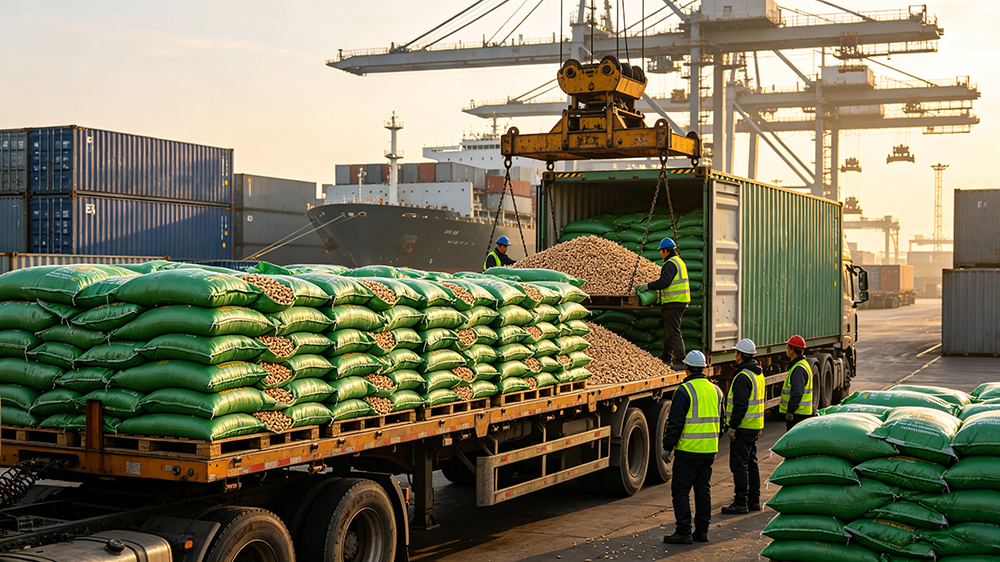
l International logistics improves. Bulk pellet shipment supports cross-border trade between producing zones and consuming markets.
l Mature pellet machine equipment lowers entry threshold for small-to-medium pellet manufacturing projects.
Common Raw Materials for Commercial Biomass Pellets
1. Wood residues: sawdust, wood shavings, forest branch waste, wood processing scraps
2. Agricultural waste: rice husk, corn stalk, straw, bagasse, palm waste
3. Mixed raw materials: blended wood and crop residues for cost-balanced finished pellets
Different raw materials affect pellet heat value, ash content and abrasion on pellet mill equipment. Factory operators need to test feedstock before large-scale production.
Key Equipment Set for Standard Biomass Pellet Production Line
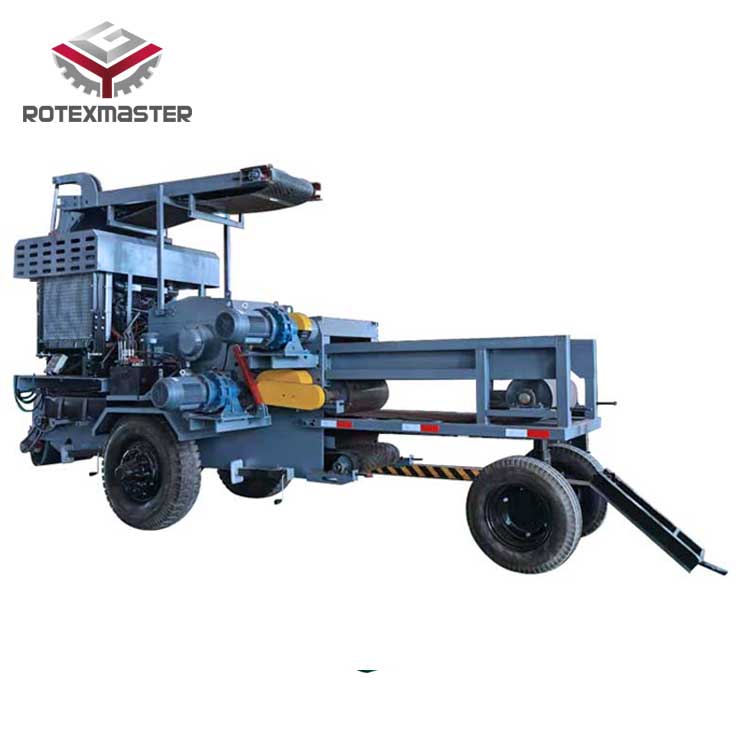
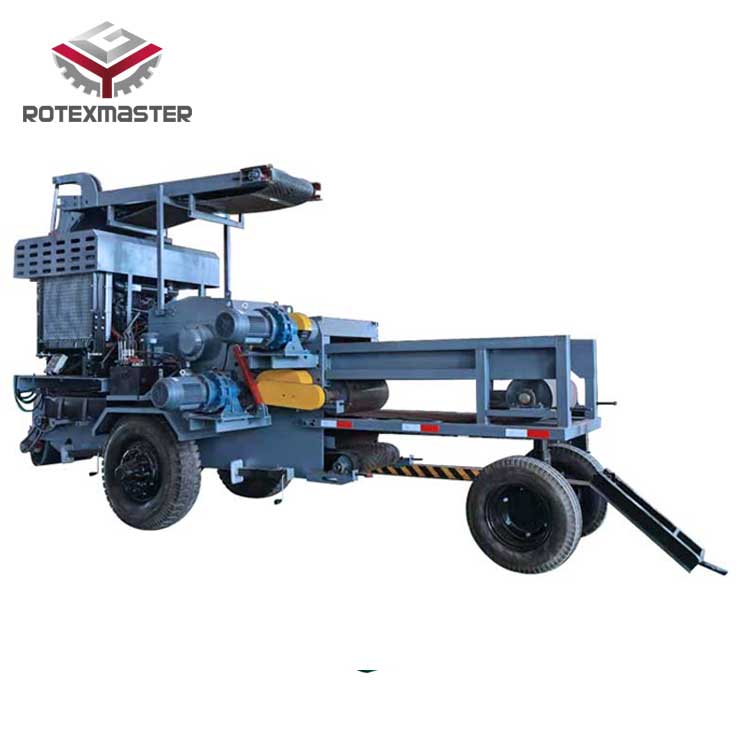
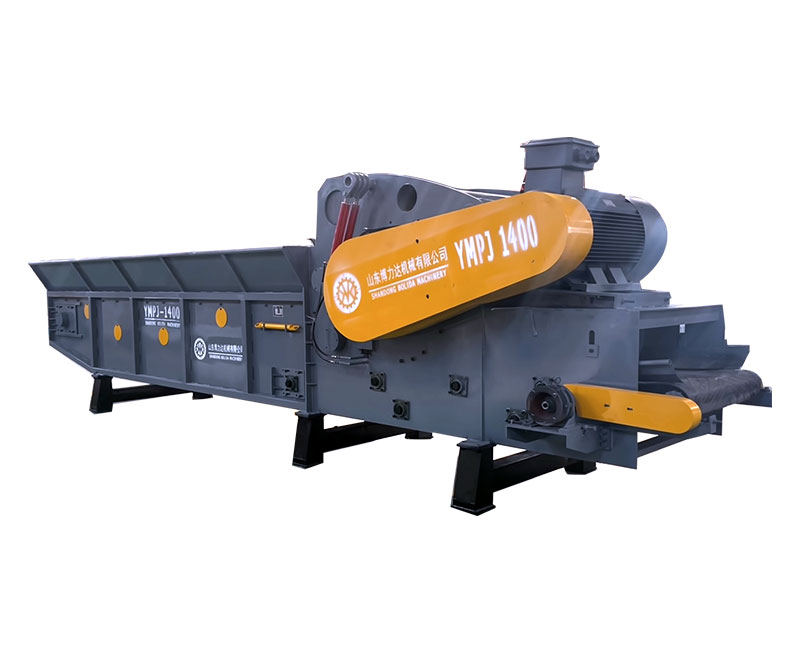
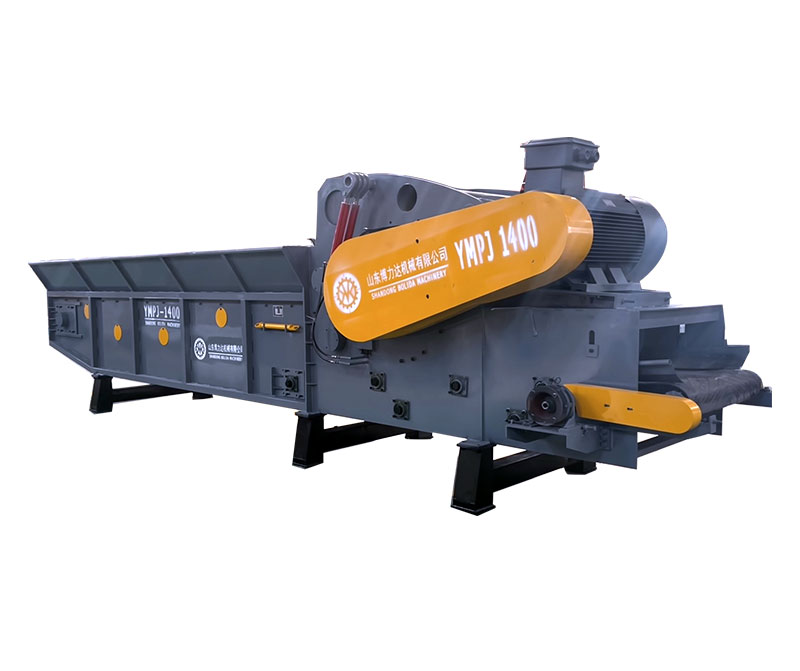
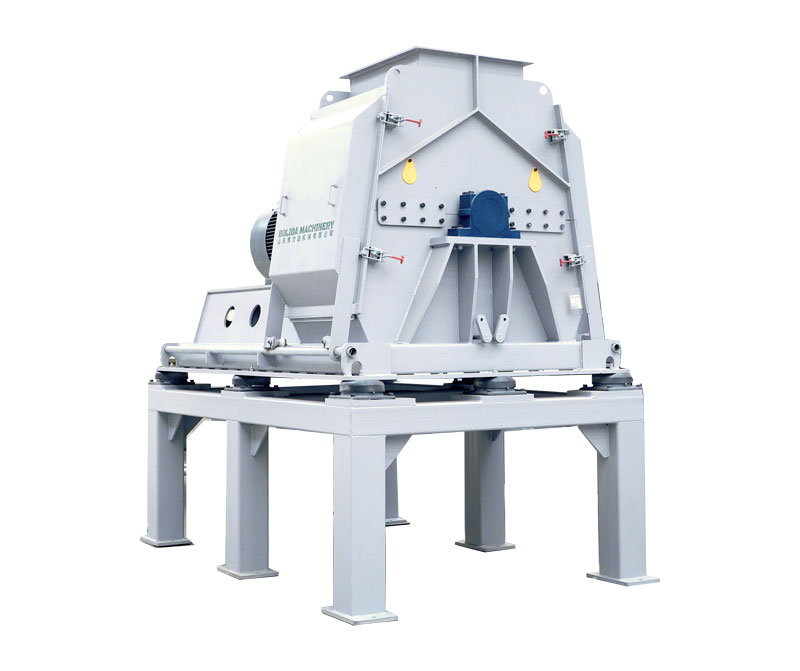
l Wood crusher: break big logs and branches into small chips
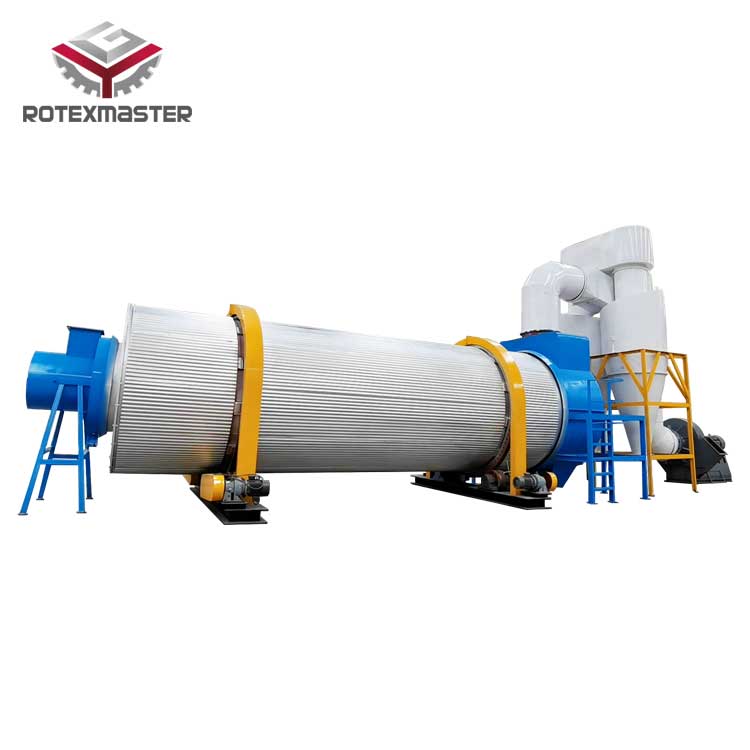
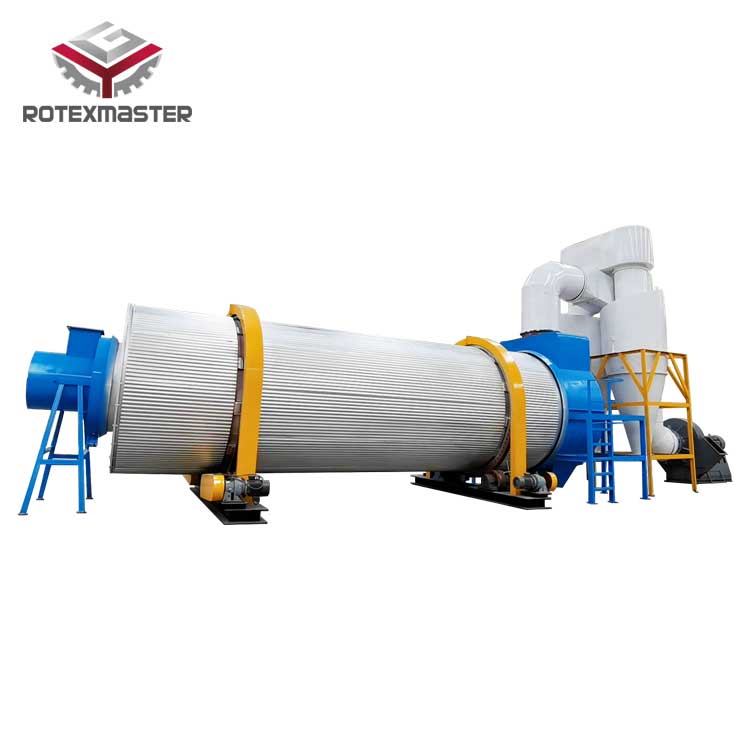
l Dryer: reduce raw-material moisture to suitable pelletizing range
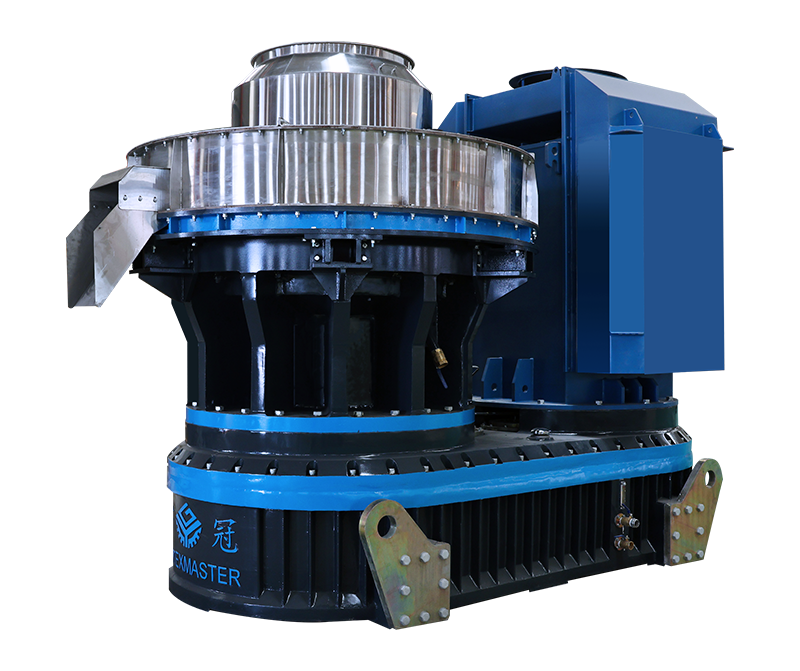
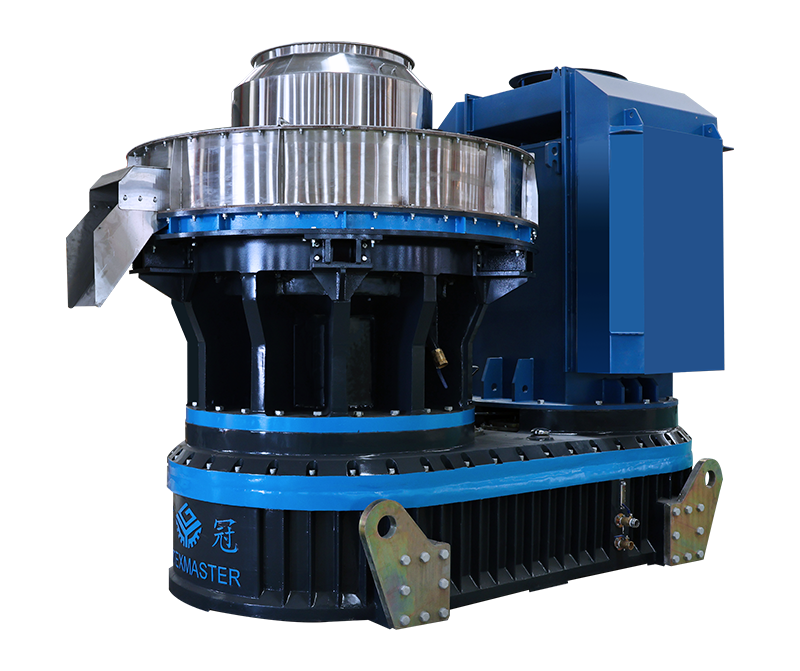
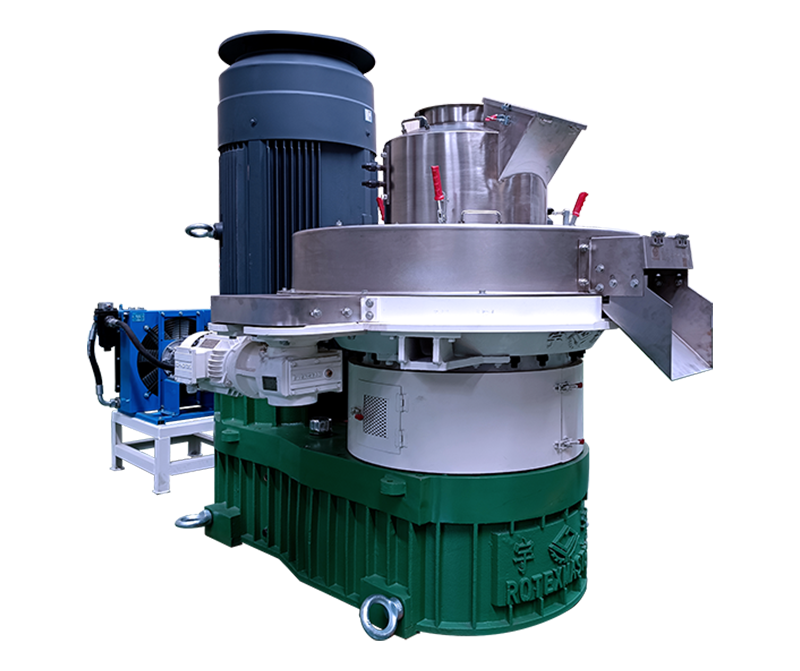
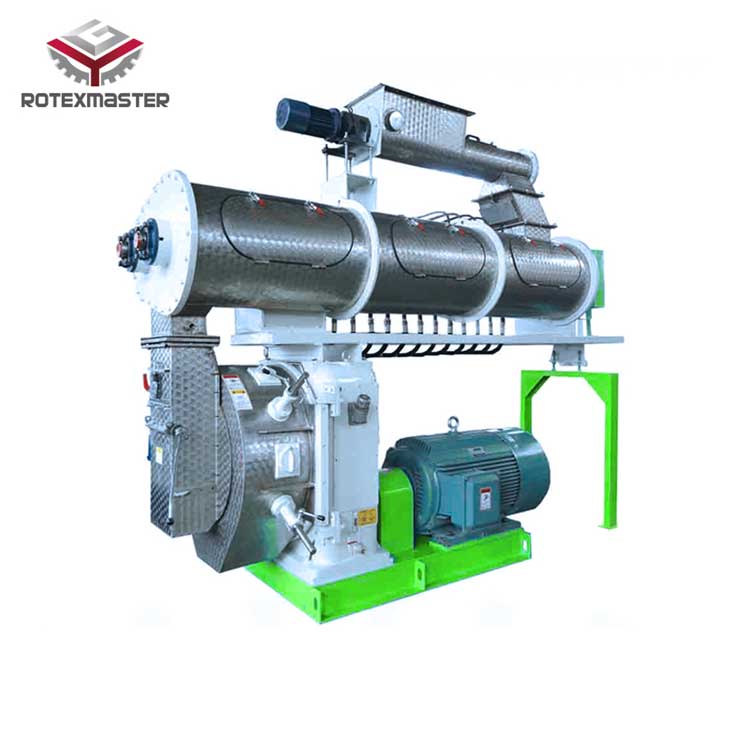
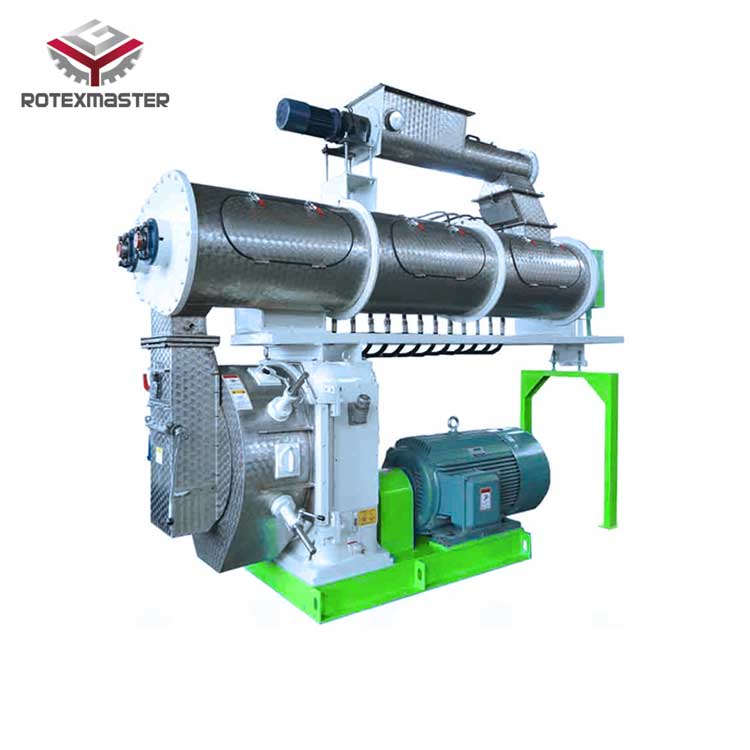
l Biomass pellet machine: core unit to compress material into dense pellets
l Cooler: lower hot pellet temperature, improve finished-product hardness
l Screening machine: remove fine powder, improve pellet finished-rate
l Conveyor system: connect each station for automatic continuous running
Complete pellet plant capacity ranges from 1-2 ton per hour small unit to 10-20 ton per hour large-scale turn-key line. Project investors select configuration according to local raw-material supply and target output.
Existing Industry Challenges
Raw-material supply fluctuation remains a major pain point. Forest and agricultural waste shows obvious seasonal change. Transportation cost also influences final pellet profit margin. Besides, product quality standards differ in different countries. Export-oriented pellet manufacturers need to match local certification requirements.
Asia-Pacific region becomes one of the fastest-growing production areas. Bolida&Rotexmaster machinery provides complete pellet production line for global buyers. Modern biomass pellet machine upgrades focus on stable running, low energy consumption and easy maintenance.
Biomass pellet trade volume will keep upward trend in next several years. Sustainable feedstock management and high-efficiency pellet production equipment will decide long-term competitiveness of pellet manufacturers.