

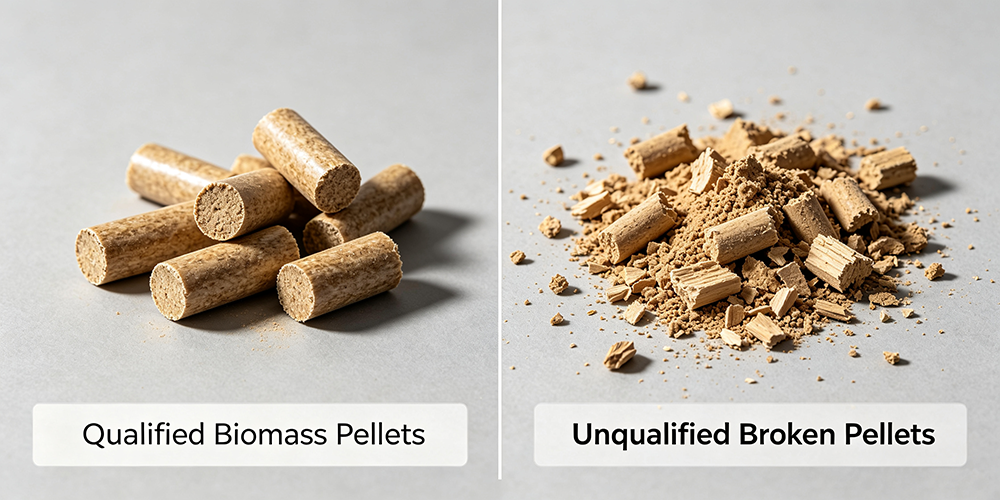
High-quality biomass pellets feature high density, uniform shape, and strong durability. They are core clean energy products for industrial fuel and household heating.
Unqualified pellet forming often causes loose structure, easy breakage, and low combustion efficiency. Many operators face unstable output from standard biomass pellet machines.
Pellet forming effect depends on raw material status, biomass pellet machine parameters, and production environment. Reasonable parameter matching greatly improves pellet yield and quality.
1. Raw Material Characteristics (Core Precondition)
Raw material is the foundation of pellet forming. Different biomass materials have distinct fiber and lignin contents, leading to varied forming difficulty.
Moisture content is the most critical indicator. Appropriate moisture lubricates materials and softens lignin to enhance adhesion.
Excess moisture causes pellet cracking and internal voids. Too dry materials fail to bond tightly, resulting in fragile pellets.
Material particle size also matters. Overly large particles increase mold blockage risks. Excess fine powder reduces pellet compactness.
2. Biomass Pellet Machine Operation Parameters
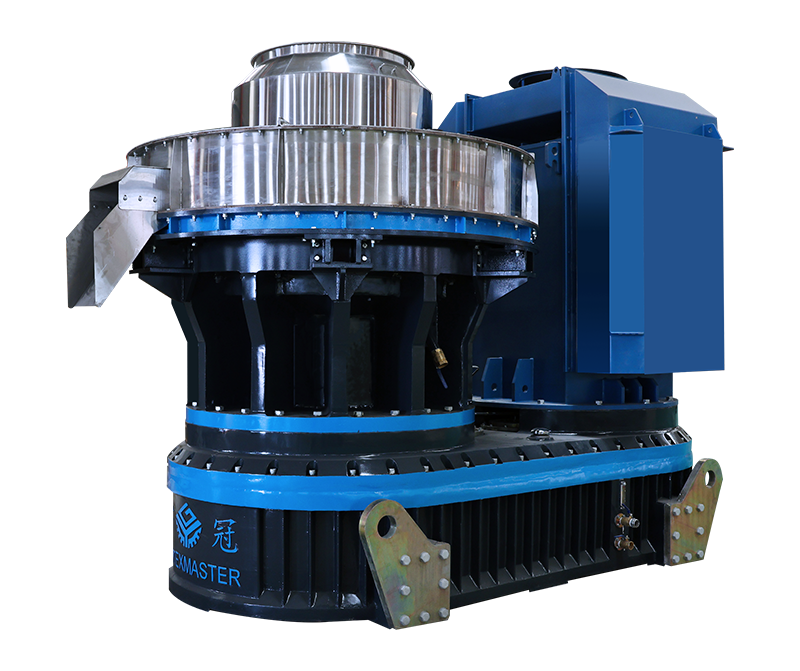
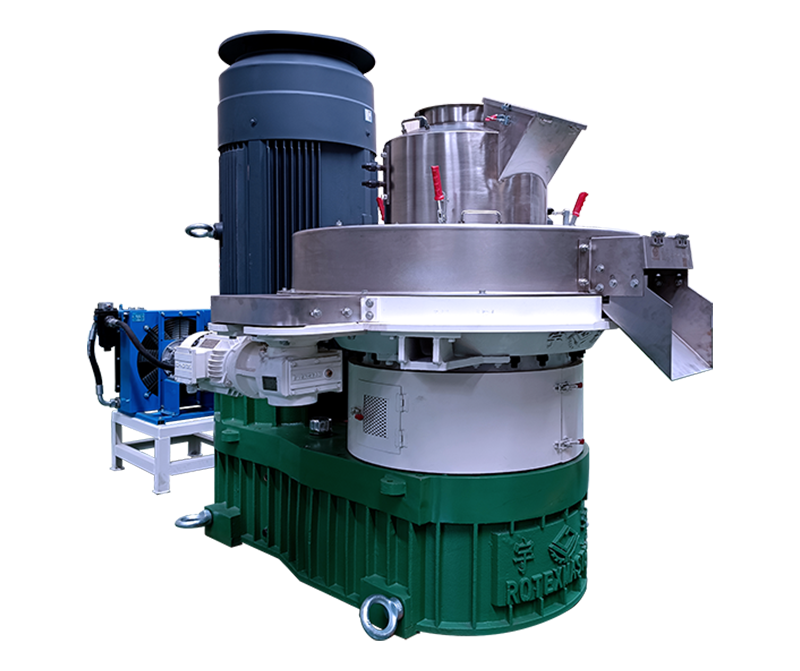
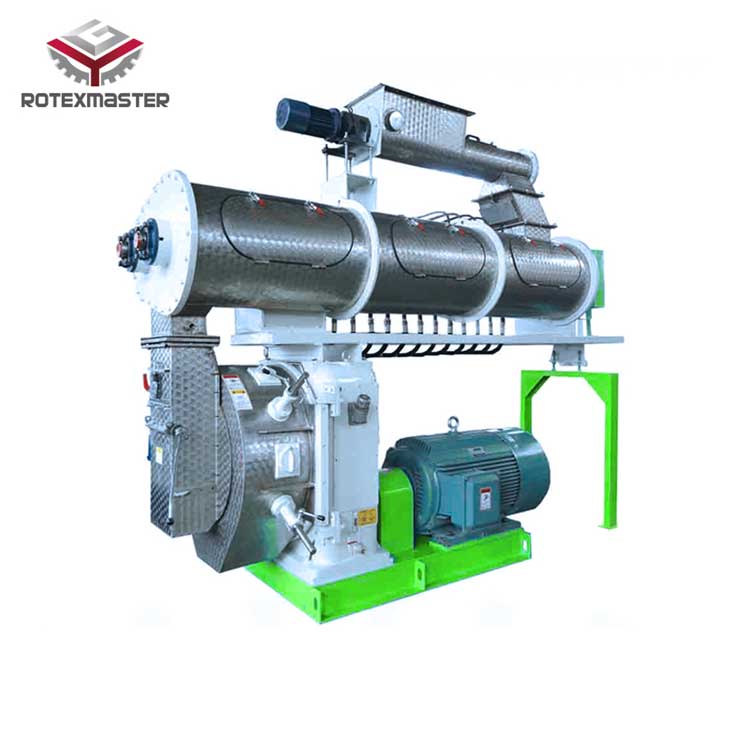
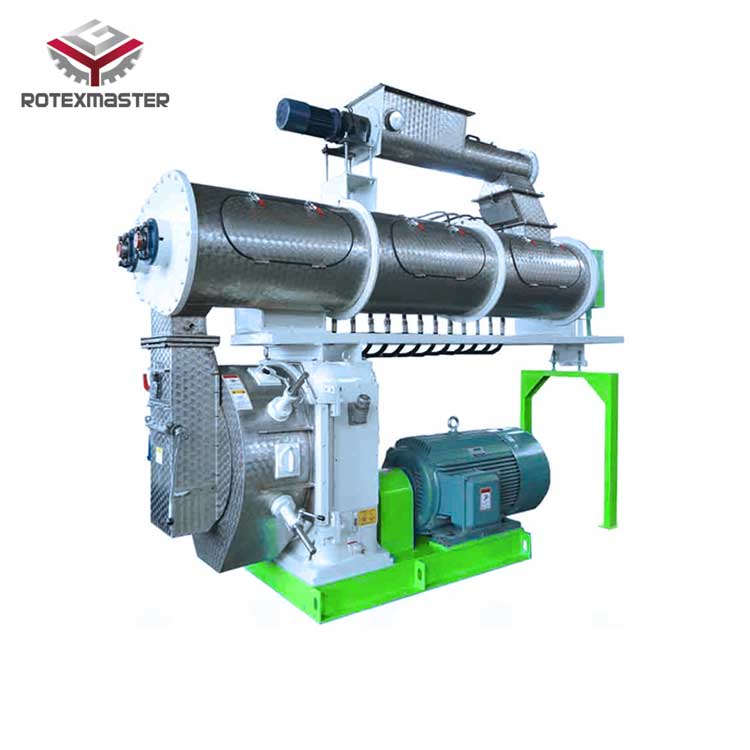
The working state of the biomass pellet machine directly determines the final forming effect. Three core parameters cannot be ignored.
Compression ratio matches different raw materials exclusively. A mismatched ratio leads to loose pellets or frequent material jams.
Roller pressure controls material compactness. Standard pressure ranges from 60 to 80 MPa for high-density pellet forming.
Working temperature softens internal lignin. Moderate temperature improves adhesion. Overheating causes material carbonization and surface scorching.
3. Standard Production Parameter Reference Table
| Raw Material Type | Optimal Moisture | Ideal Particle Size | Pellet Density Standard |
| Wood Biomass | 10%–15% | 2–3mm | 1.1–1.3g/cm³ |
| Agricultural Residue | 12%–18% | 1–2mm | 1.0–1.2g/cm³ |
4. Daily Maintenance & Environmental Factors
Worn mold and roller parts weaken compression effect, causing uneven pellet forming. Regular replacement of worn accessories ensures stable machine operation.
Ambient humidity affects raw material moisture stability. Humid environments easily cause material moisture rebound and poor forming.
FAQ About Biomass Pellet Forming
Q1: Why do biomass pellets break easily after forming?
A1: Main causes include overly dry raw materials, insufficient roller pressure, and mismatched mold compression ratio. Adjust moisture and machine parameters for improvement.
Q2: How to improve biomass pellet machine forming efficiency?
A2: Control raw material moisture strictly, match compression ratio with materials, maintain constant working temperature, and replace worn parts regularly.
Q3: What international standards qualify finished pellets?
A3: Qualified pellets comply with ISO 17225 and ENplus standards, covering density, moisture, and mechanical strength indicators.
Conclusion
Stable biomass pellet forming relies on coordinated control of raw materials, biomass pellet machine parameters, and daily maintenance. Standardized operation avoids defective products and maximizes production benefits for pellet factories.