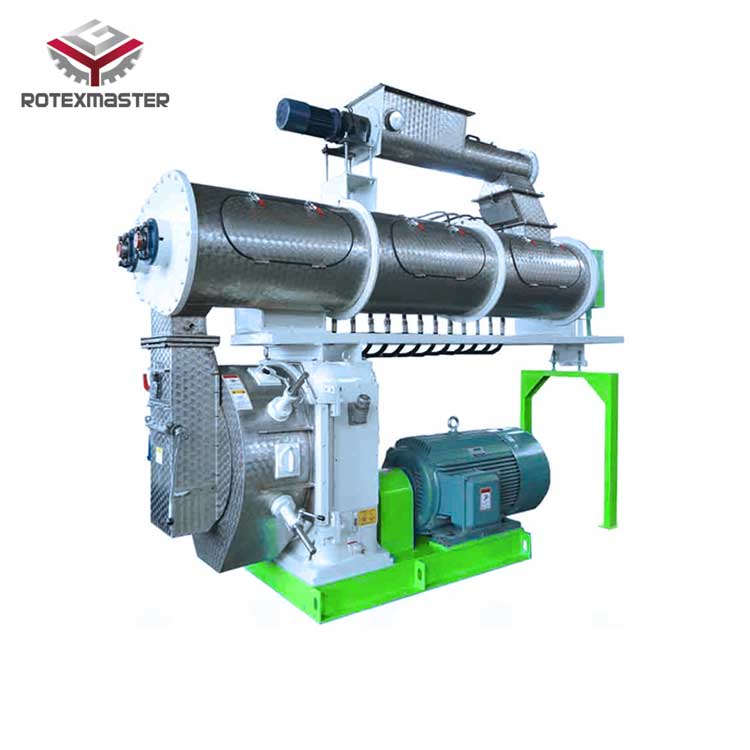


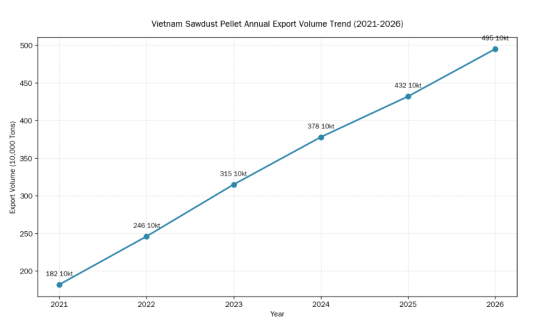
Booming wood pellet export demand has significantly boosted Vietnam’s local sawdust pellet machine market in 2026. As Vietnam solidifies its position as one of the top wood pellet exporters in Asia, hundreds of new pellet manufacturing factories have been established across the northern, central, and southern industrial zones of the country. This rapid industrial expansion has generated huge market demand for high-efficiency, cost-effective, and complete sawdust pellet production lines among local biomass equipment buyers.
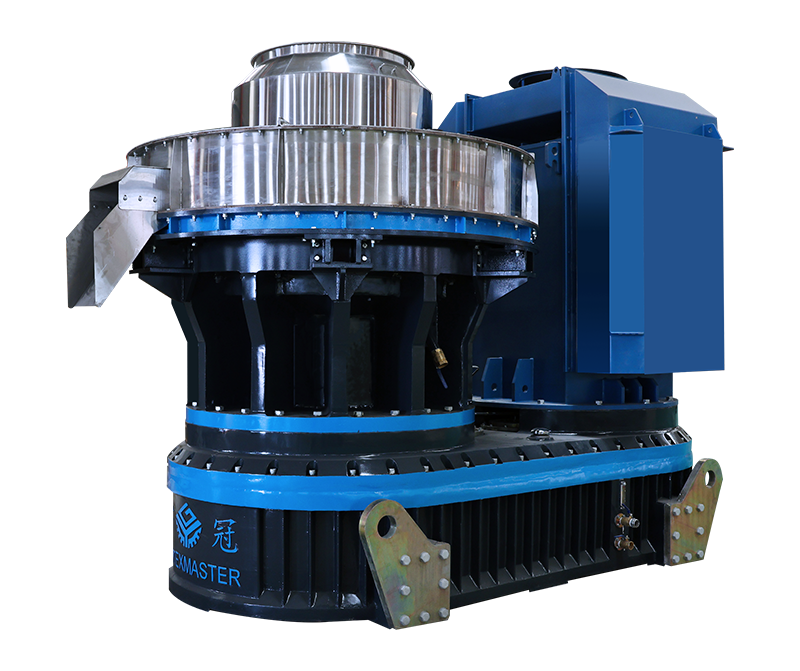
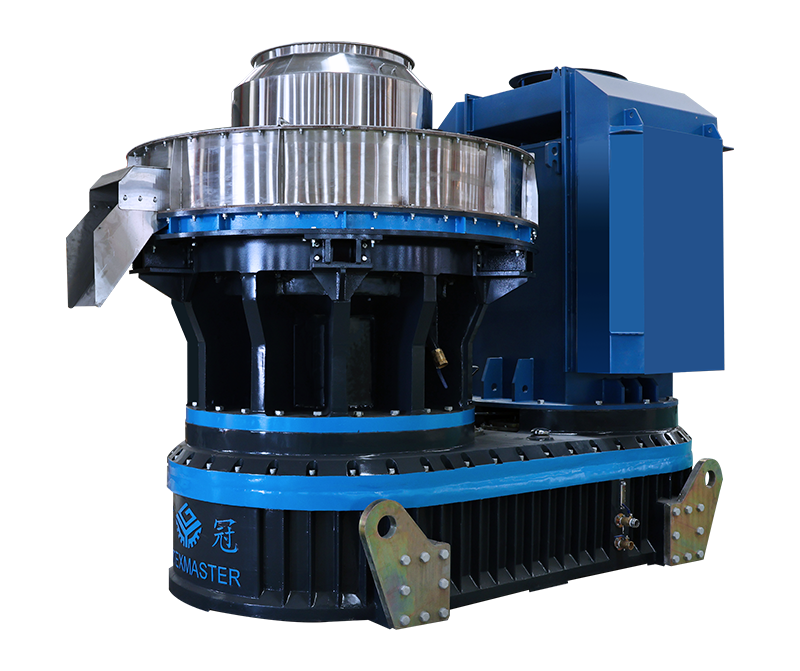
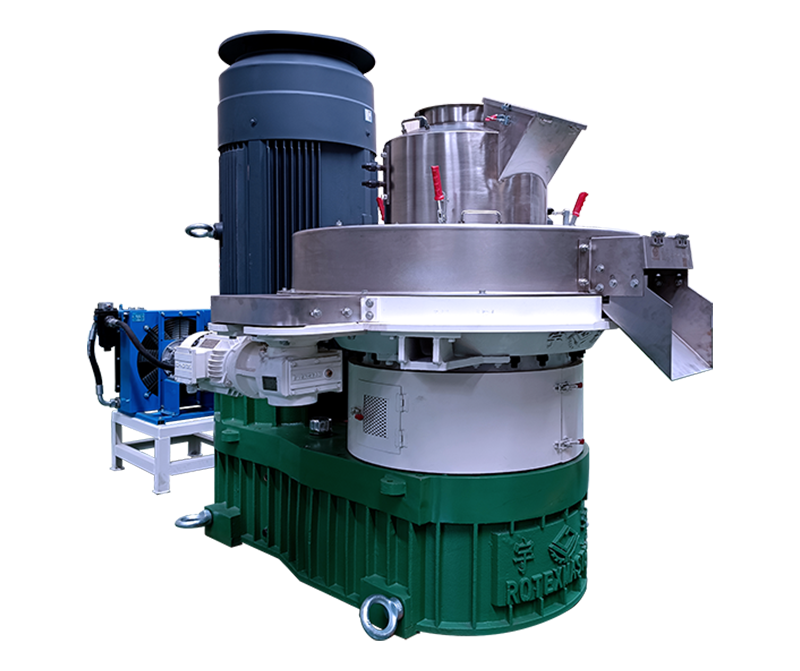
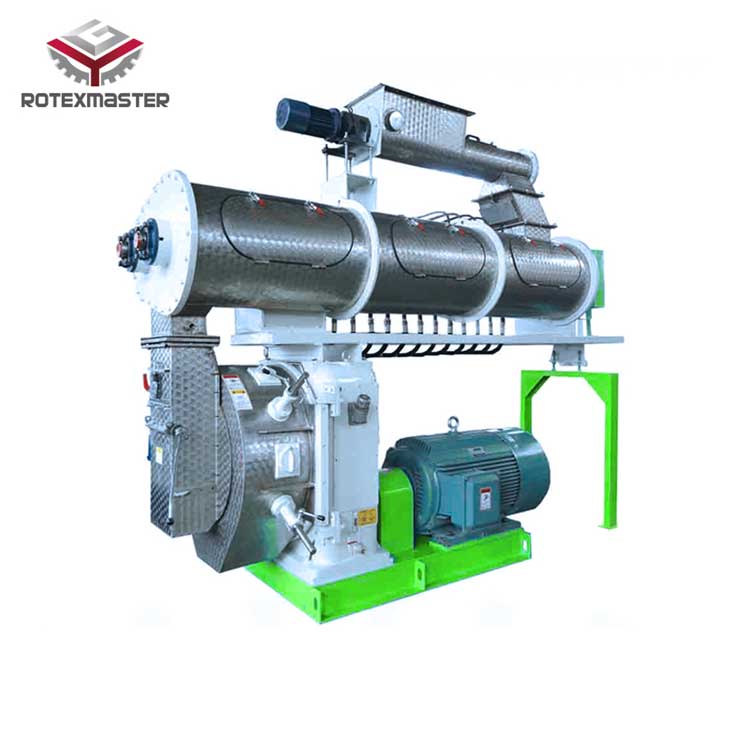
Most local Vietnamese pellet manufacturers prefer small and medium ring die pellet mills professionally customized for local biomass raw materials, including acacia sawdust, rubberwood shavings, furniture processing waste, palm shell residues, and sugarcane bagasse. As reliable pellet machine manufacturers and suppliers, professional ring die pellet mill models feature low energy consumption, stable hourly output, and strong material adaptability. These industrial pellet machines fully fit Vietnam’s local raw material characteristics and mainstream factory operation scales, becoming the ideal alternative to expensive imported European pellet equipment for most medium-sized pellet producers.
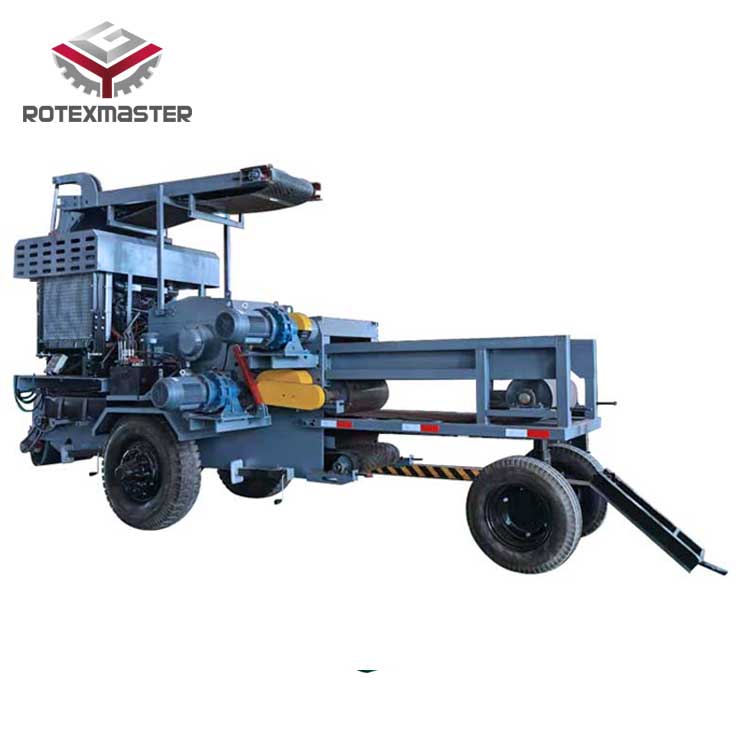
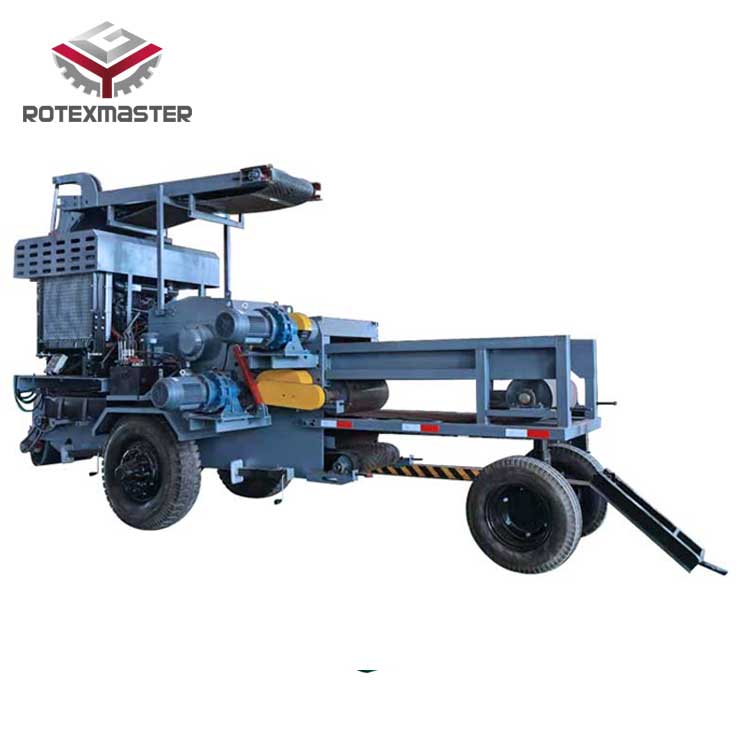
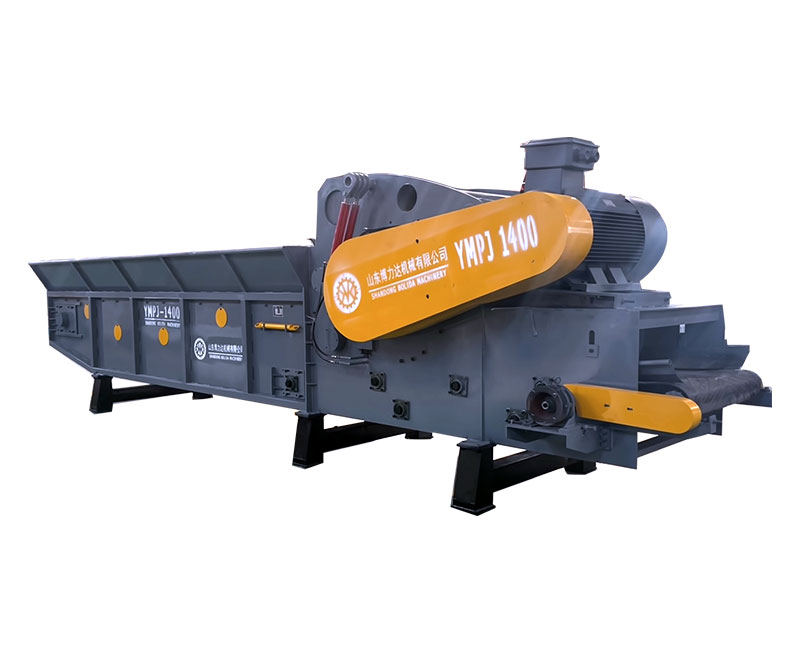
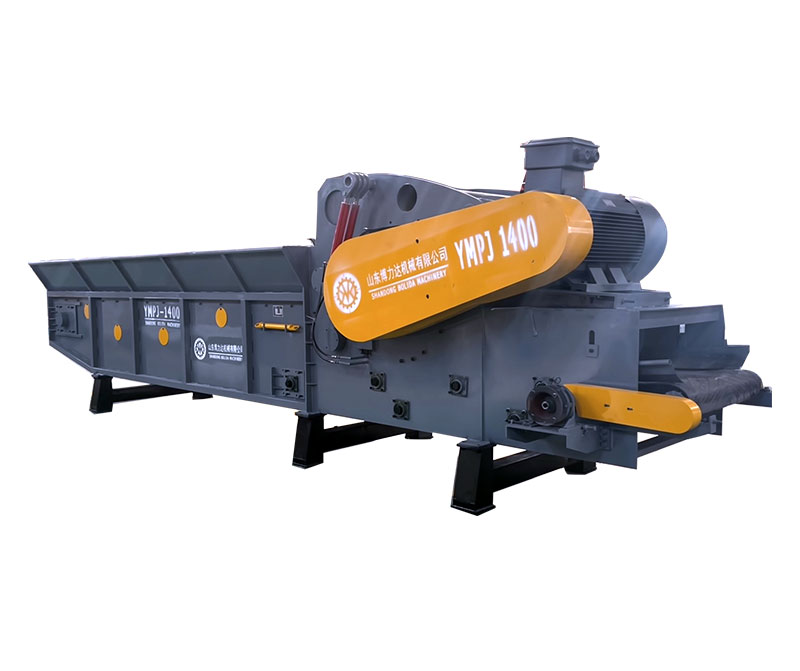
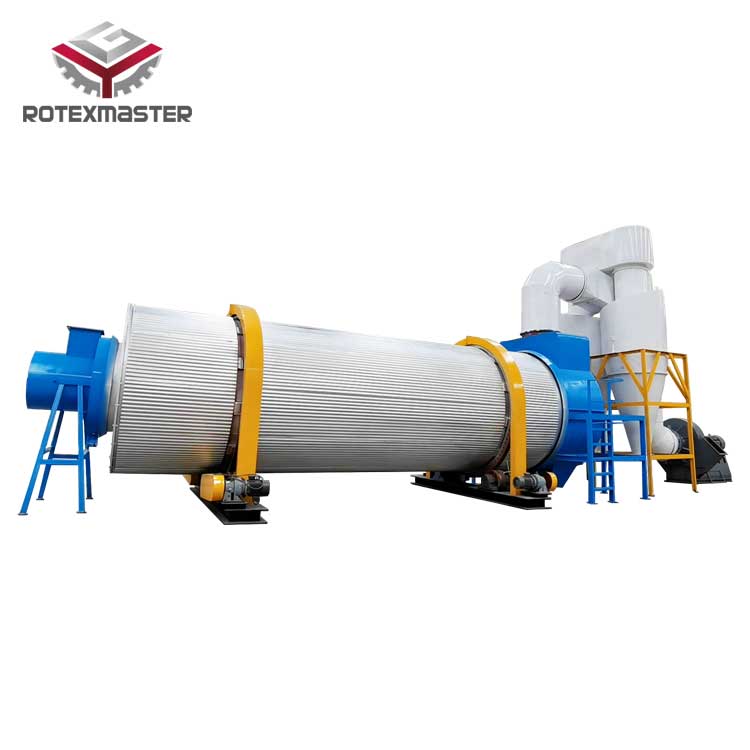
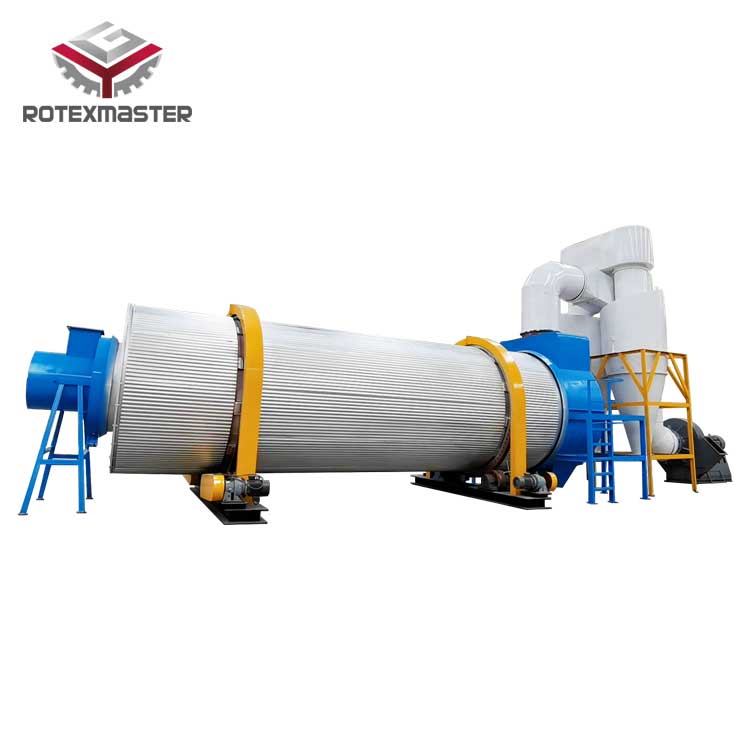
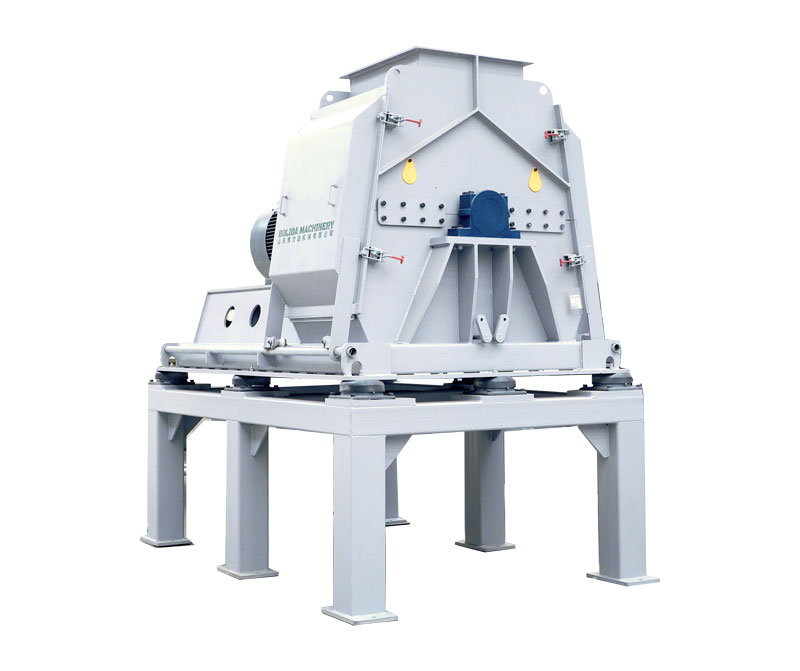
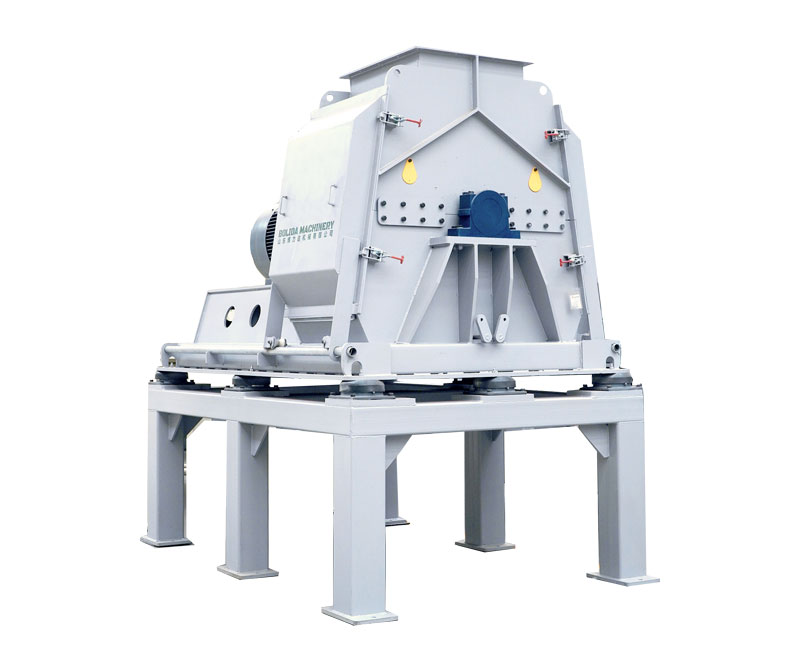
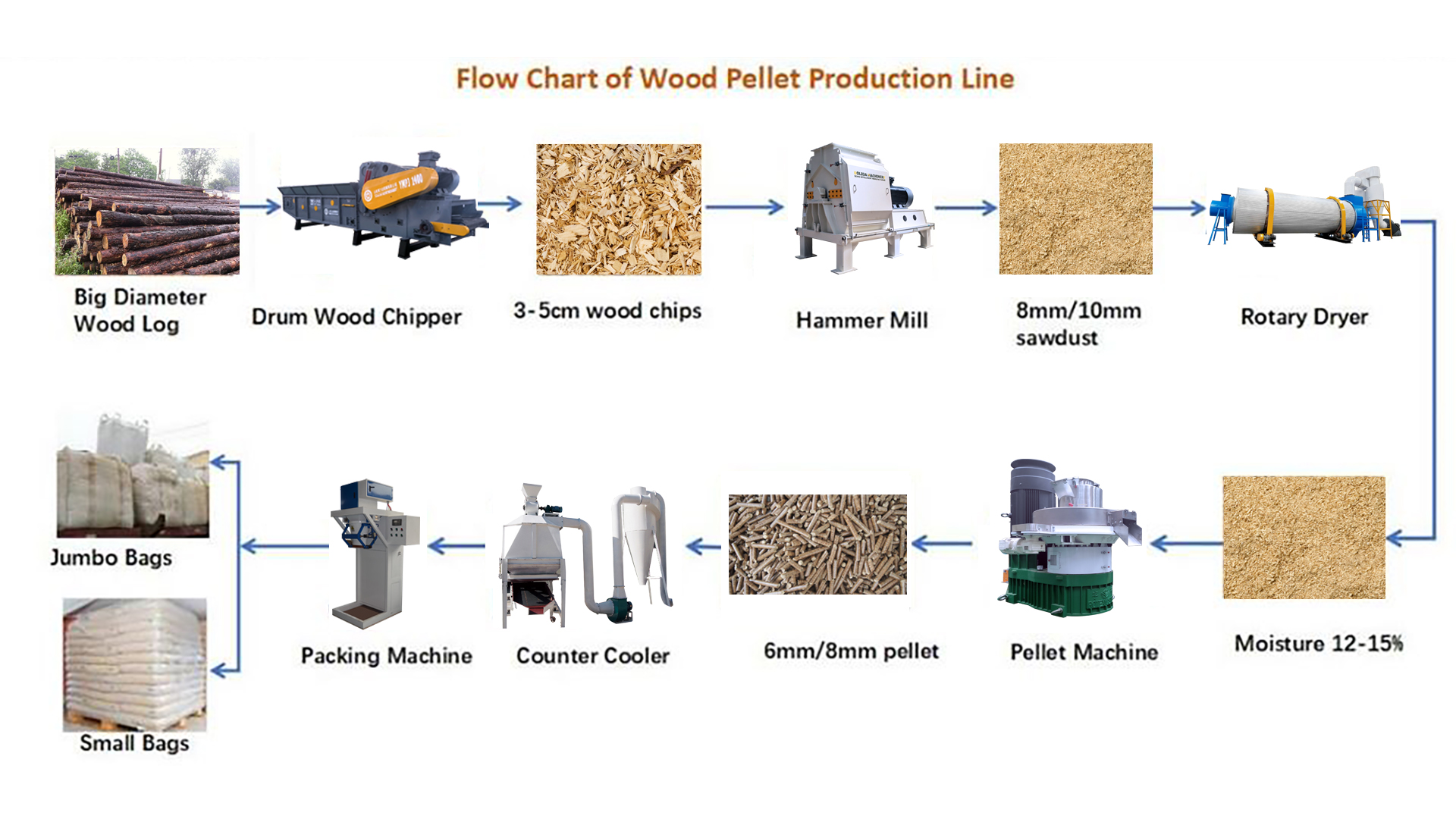
The reasonable matching of pellet machine models and production line configurations directly determines the quality, qualification rate, and overall profit margins of Vietnam’s exported wood pellets. To meet the high-standard ENplus pellet certification requirements for the Japanese market, most export-oriented factories equip full sets of wood processing equipment, including wood chipping machines, grinding machines, drying machines, pelletizing machines, and cooling machines. This complete production configuration effectively controls the moisture content and ash content of finished pellets to comply with strict Japanese import inspection standards.
In contrast, local manufacturers focused on mass industrial wood pellet supply for South Korean biomass power plants tend to choose high-capacity integrated pellet mills to reduce unit production costs and improve delivery efficiency. Trusted pellet machine suppliers provide one-stop factory layout design, on-site installation, commissioning, and comprehensive after-sales service, enabling newly built pellet plants to quickly achieve mass production and stable export shipments.
Market Demand for Pellet Machines by Import Countries
Japan & South Korea
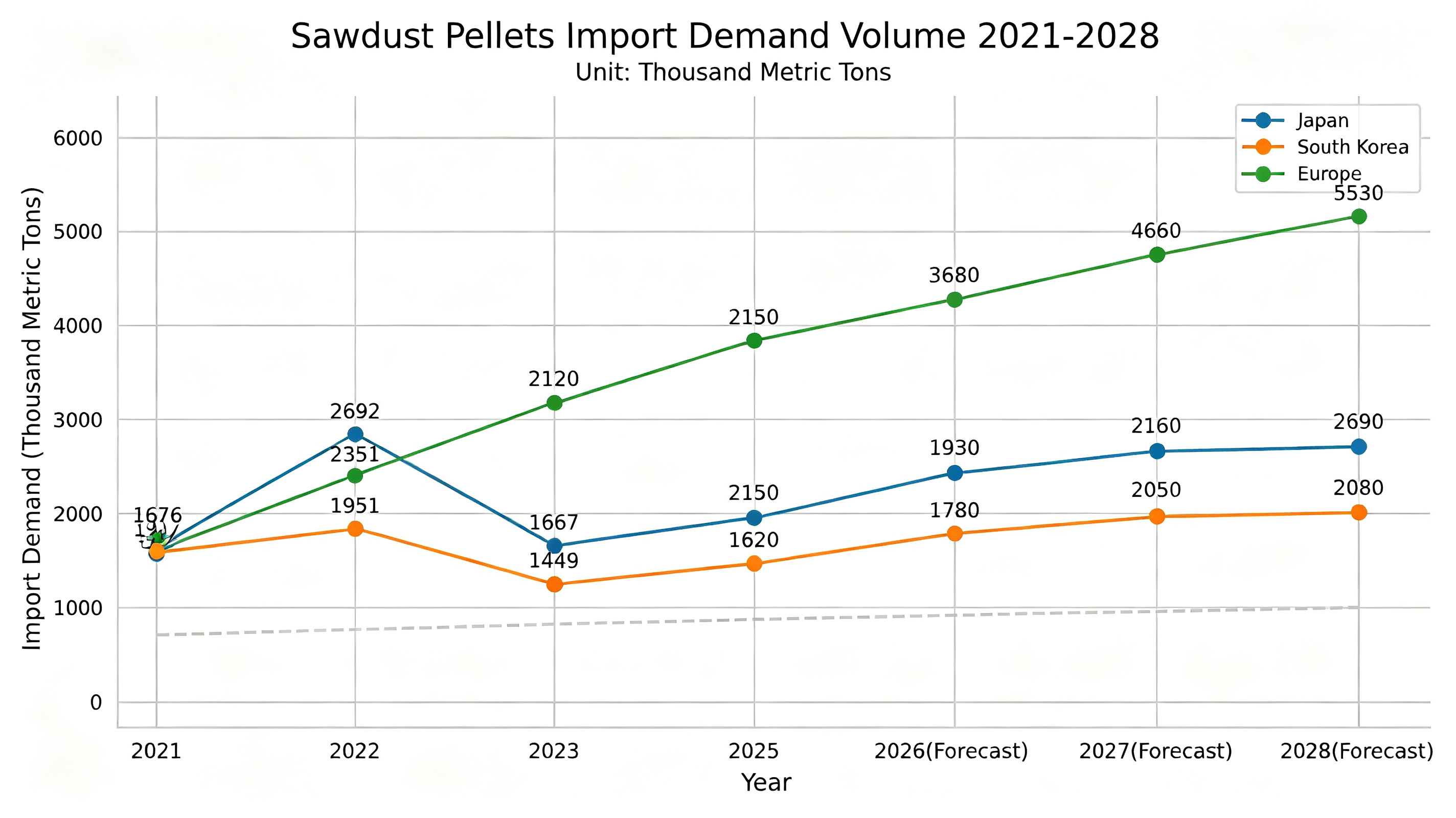
Driven by strict carbon neutrality and clean energy policies in Japan and South Korea, the annual import volume of Vietnamese wood pellets continues to grow steadily. Investment institutions and local factory owners keep launching new pellet production projects and expanding existing production scales. The seasonal surplus of furniture waste and sawdust raw materials also urges manufacturers to purchase additional formal pellet machines and standard production lines to increase capacity. Conventional 1t/h, 3t/h, and 5t/h full-automatic pellet lines are the most popular configurations for Vietnamese factories serving Japanese and Korean long-term export orders.
European Countries
With the continuous growth of import demand for sustainable biomass fuels in the EU market, more Vietnamese pellet factories choose to upgrade their outdated production equipment. Upgraded premium pellet production lines help manufacturers produce fully certified high-quality wood pellets, which are widely supplied to European biomass power plants and meet EU environmental and energy consumption standards.
Common Pain Points of Vietnam Pellet Factories in Machine Operation
Although the wood pellet export market is booming, most Vietnam pellet factory operators face typical equipment usage problems that restrict export efficiency and market competitiveness. First, the unstable humidity of local sawdust raw materials frequently causes pellet machine blockage and production stagnation, making supporting drying equipment an essential part of the production line. Second, many factory owners purchase low-cost, low-quality pellet mills with high failure rates, which easily interrupt production progress and delay export order delivery schedules. Third, most small and medium-sized plant operators lack systematic professional machine operation and maintenance training, resulting in low pellet yield, serious raw material waste, and increased production costs.
2026–2028 Long-Term Market Outlook
The long-term development prospect of Vietnam’s sawdust pellet machine market remains extremely optimistic from 2026 to 2028. More professional biomass investors will invest in new complete pellet production lines, gradually diversifying export markets from traditional Japan and South Korea to European and Southeast Asian markets. Benefiting from the continuous expansion of Vietnam’s plantation wood waste resources and the sustained global demand for eco-friendly sustainable wood pellets, standardized and integrated sawdust pellet production lines will maintain strong market demand in the next three years. Customizable, energy-saving, and high-stability pellet equipment will become the mainstream choice for new and upgraded pellet plants across Vietnam.
FAQ
Q1: What pellet machine is suitable for Vietnam’s sawdust raw materials?
A1: The vertical ring die sawdust pellet machine launched by Bolida&Rotex Machinery is the mainstream and most practical choice for Vietnamese factories. It must be matched with professional drying equipment to process high-moisture sawdust and furniture waste, adapting to local raw material conditions. We provide customized 1–10t/h complete production solutions for different factory scales.
Q2: Will buying new pellet machines help boost Vietnam pellet export business?
A2: Yes. Standard complete pellet production lines from Bolida&Rotex Machinery ensure stable and qualified pellet quality, fully meeting the strict inspection and certification standards of Japanese and Korean importers, helping factories obtain stable long-term export orders.
Q3: Can small pellet machines support container export orders?
A3: Small single pellet mills are only suitable for small-scale factories with small-batch production. For large-volume, stable container export orders, full-automatic integrated pellet production lines are required to ensure continuous monthly bulk shipments for overseas buyers.