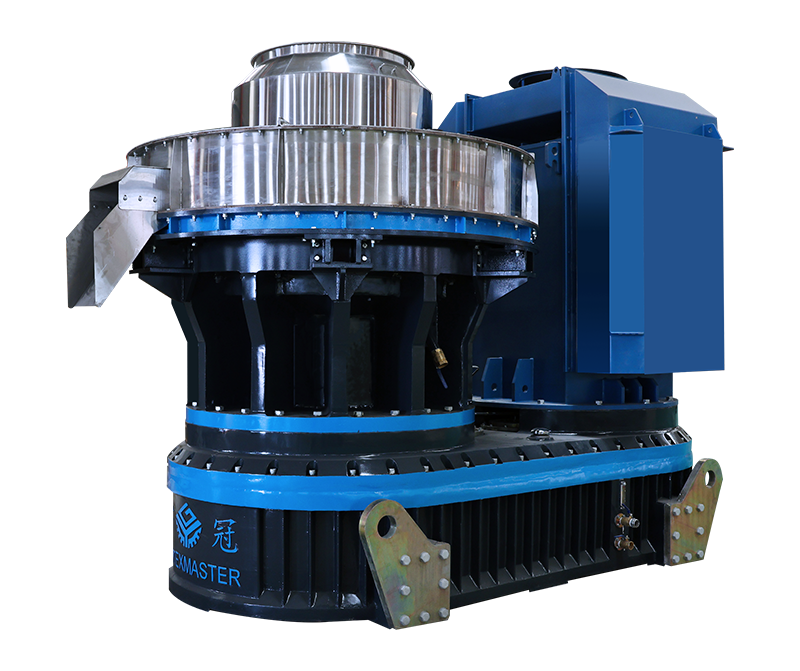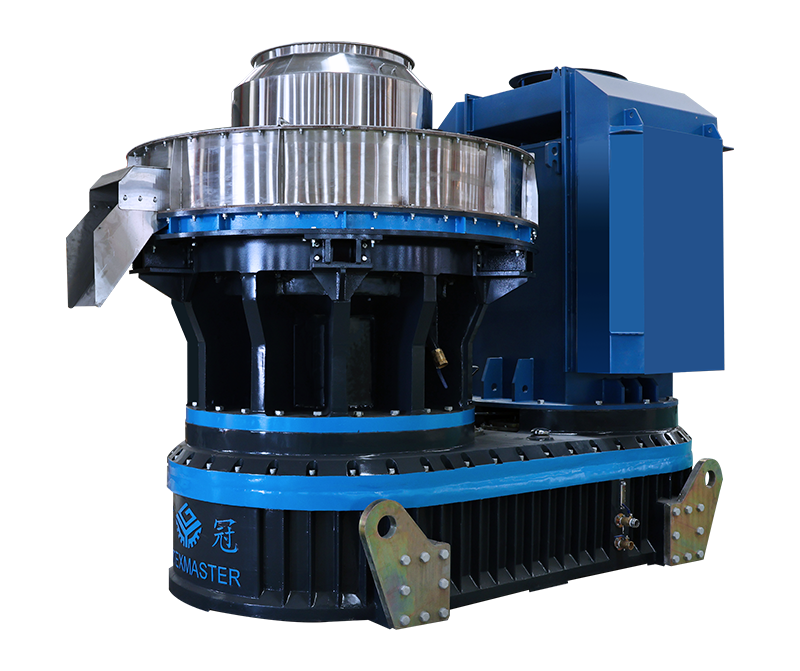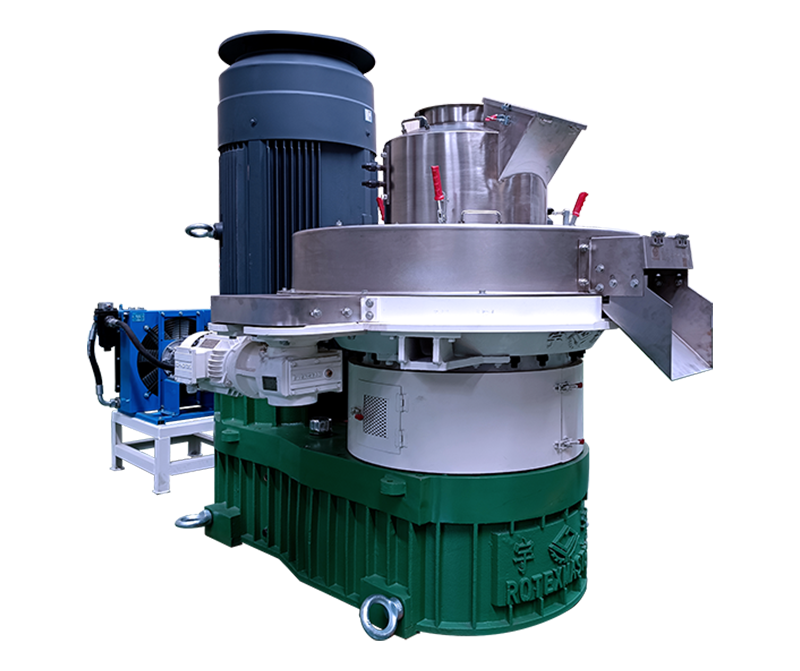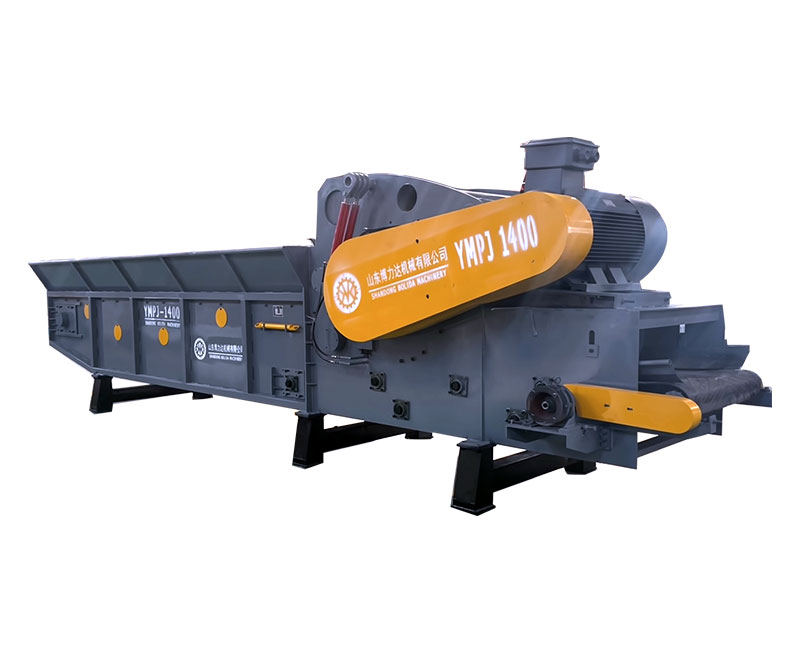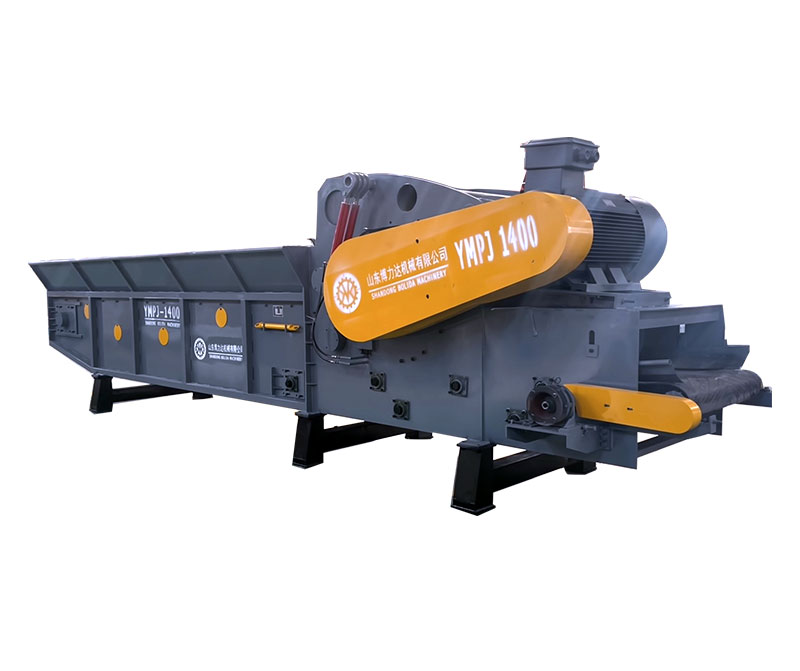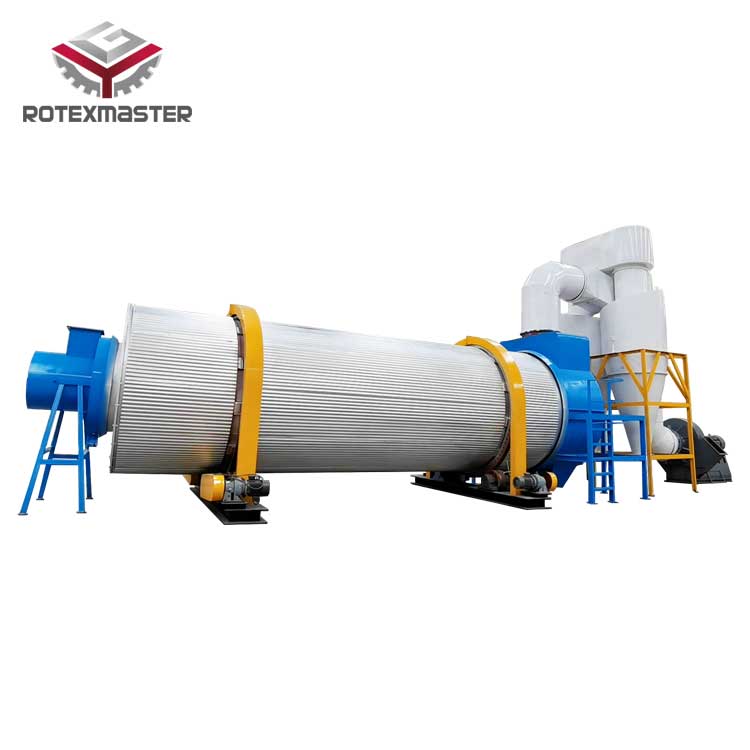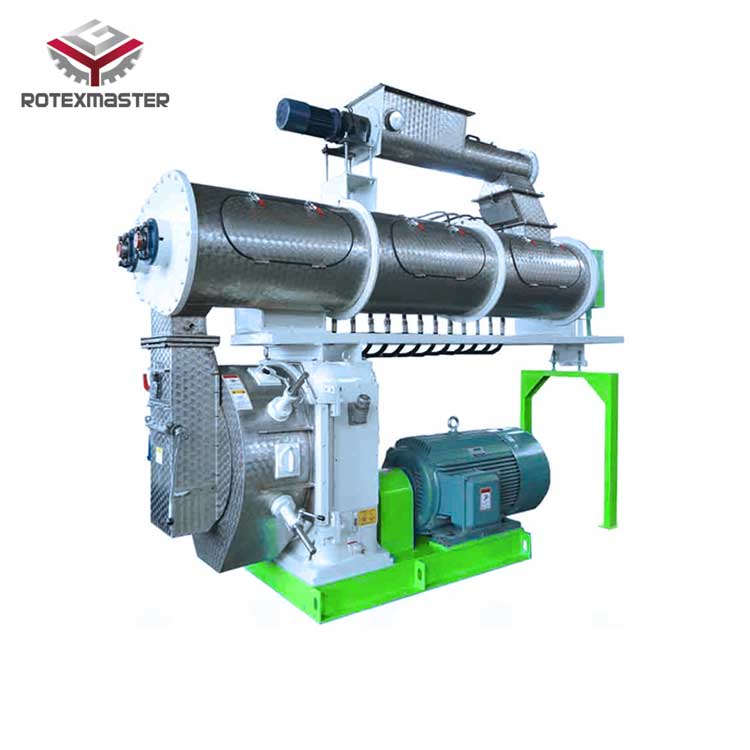


Southeast Asia supplies over 85% of global palm oil, and palm oil plants in Indonesia, Malaysia and Thailand generate massive palm kernel shell (PKS) waste annually. Most manufacturers dispose of PKS via open burning or landfilling, triggering air pollution, seasonal haze and land resource waste. The palm kernel shell pellet production line converts waste PKS into standard biomass pellets, solving waste disposal issues and realizing green circular production for local palm enterprises.
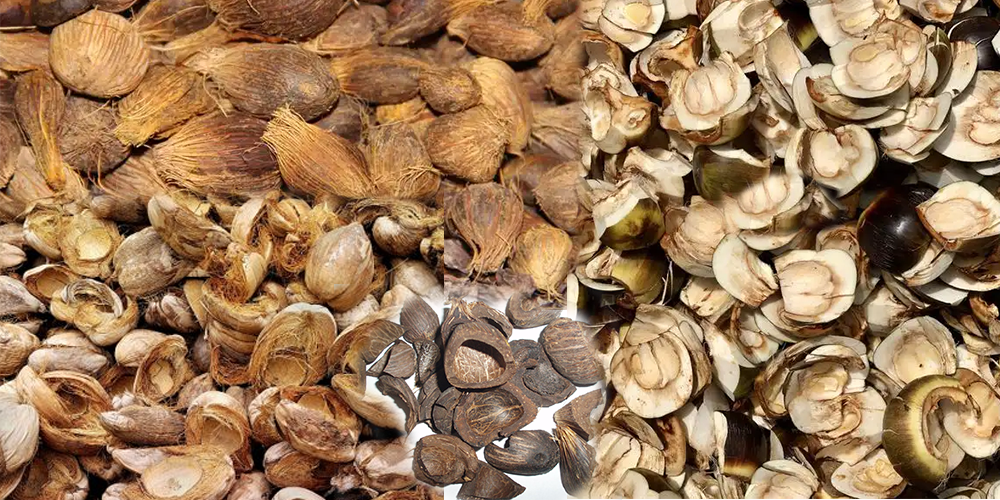
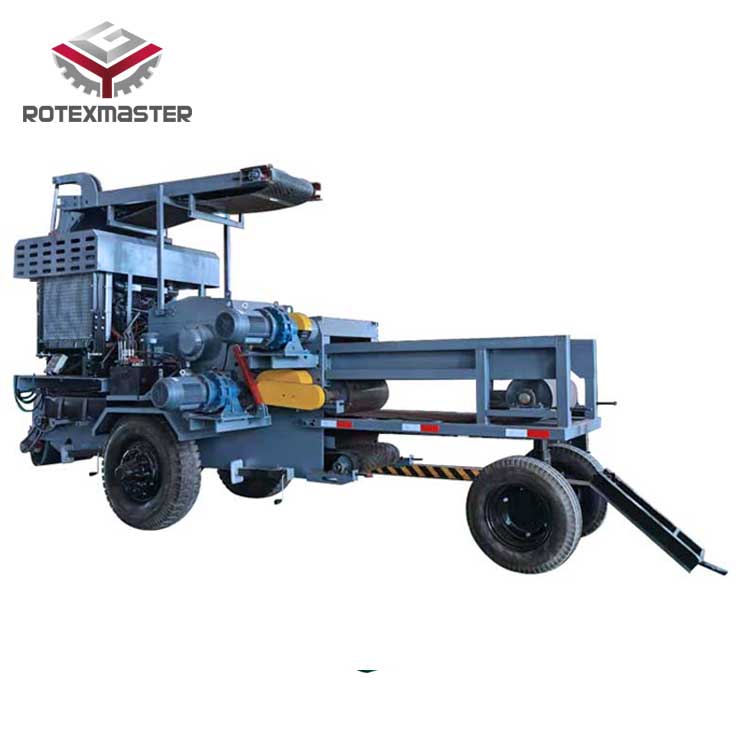
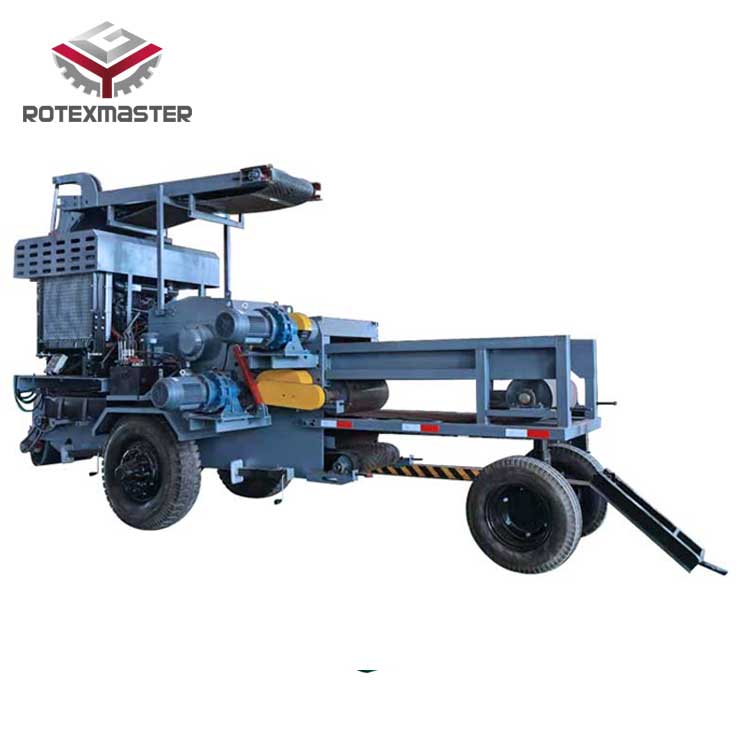
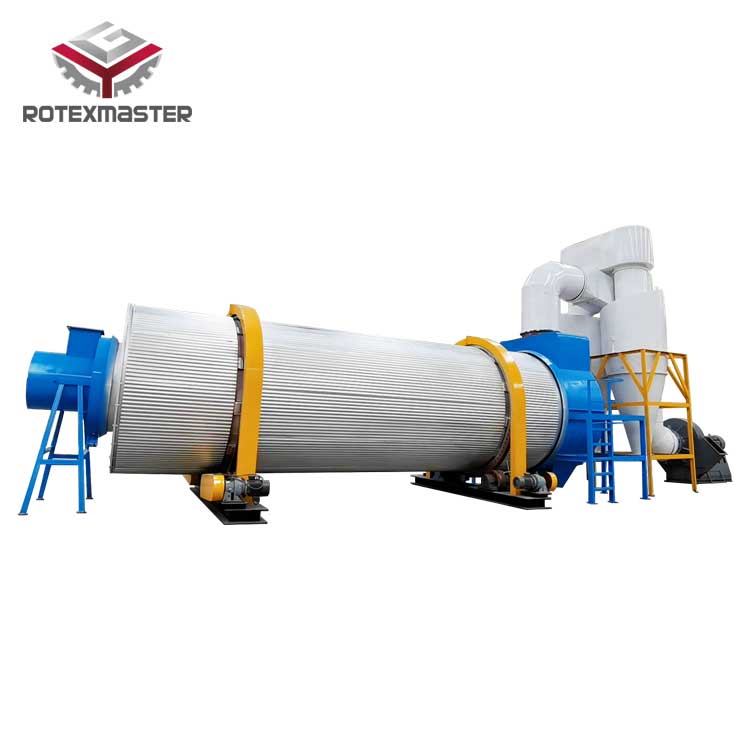
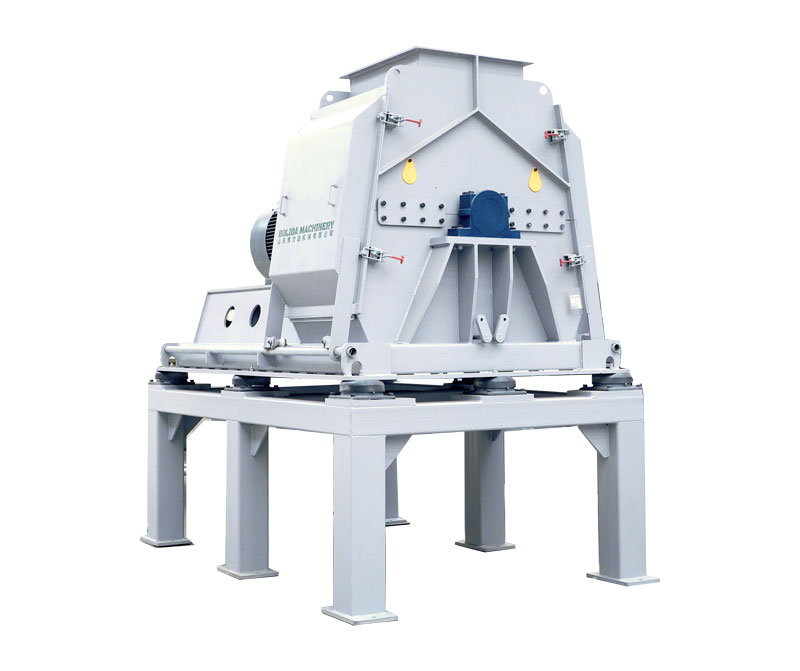
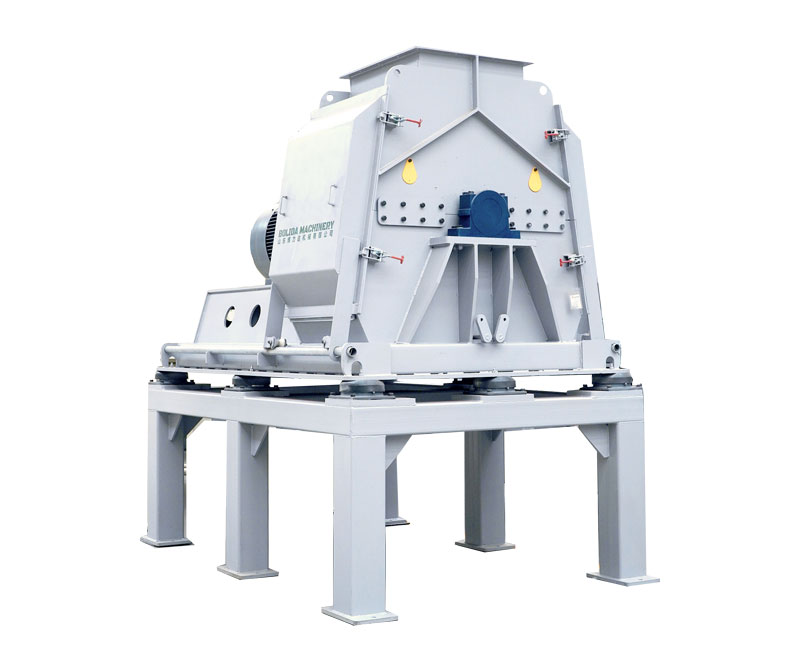
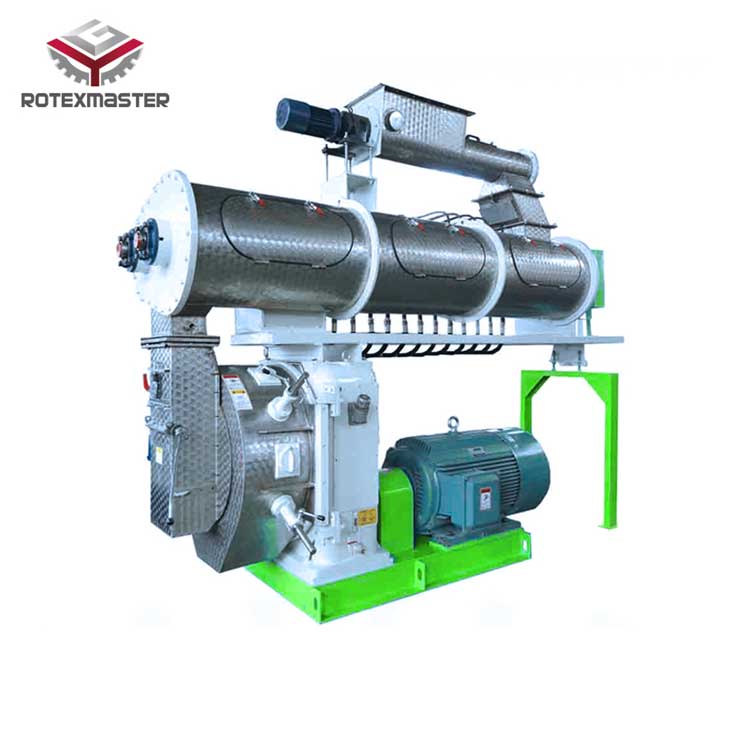
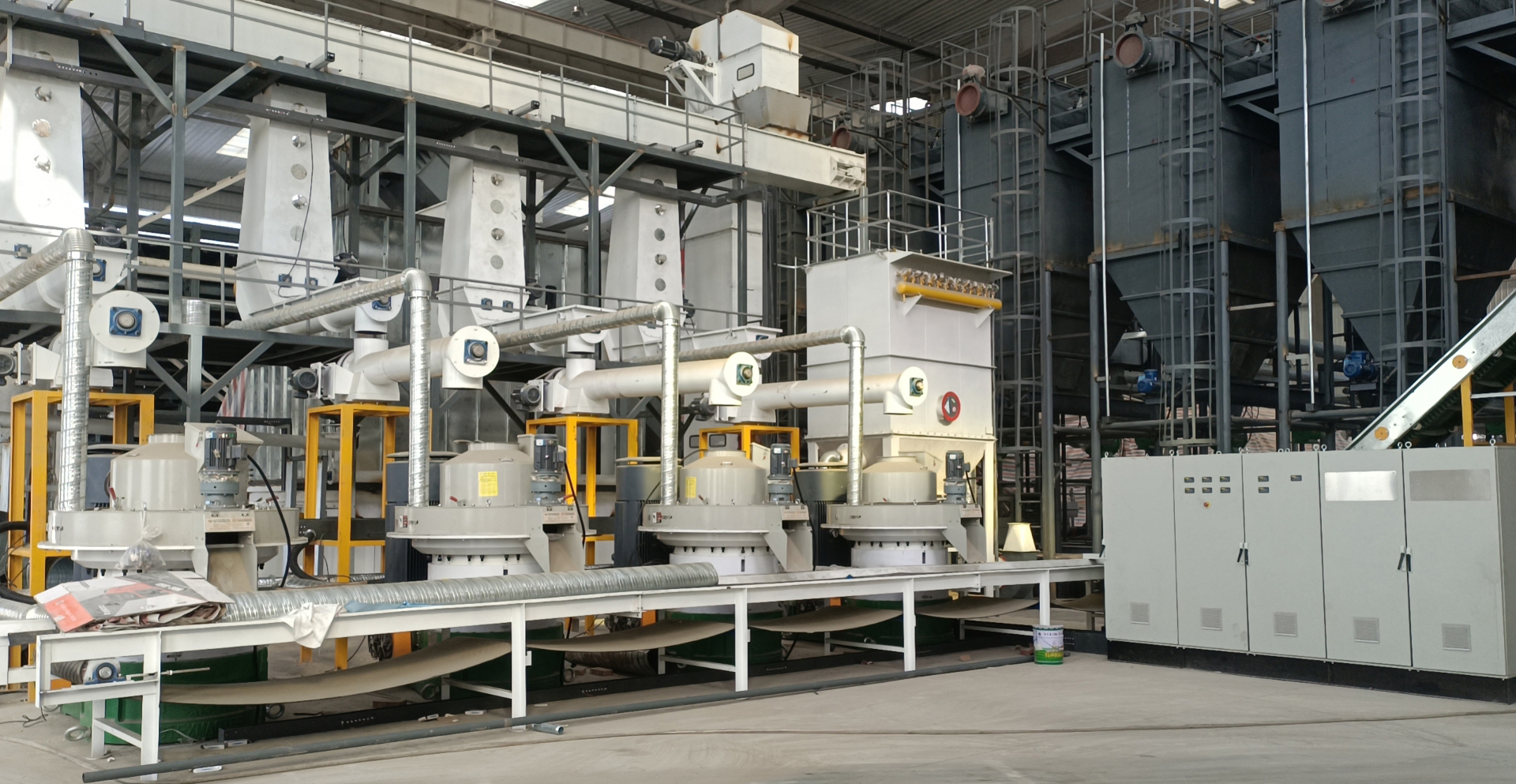
Raw PKS features 25%-35% moisture, low density and large volume, which brings high logistics costs, mildew risks and poor combustion efficiency. Tailored for tropical humid weather, the palm kernel shell pellet production line covers crushing, drying, fine grinding, pelletizing, cooling, screening and automatic packaging. After processing, PKS pellets hit fuel-grade moisture of 10%-15%, with bulk density 3-4 times higher. The pellets burn fully with stable heat value, resist moisture and allow long-term storage, cutting storage and transport expenses significantly.
Three main environmental benefits
It prevents open burning of waste, thereby reducing pollutants that trigger haze.
It cuts methane emissions generated from landfill disposal.
It substitutes coal and fuel oil with carbon-neutral PKS pellets to mitigate sulfur and ash pollution, meeting requirements of EU RED II certification and local environmental laws.
Economic Advantages
Stable export revenue: PKS pellets maintain stable export demand from Europe, Japan and South Korea, helping factories increase sales income.
Reduced internal energy costs: Enterprises can consume self-produced pellets on-site to cut expenditure on fossil fuels.
Local employment creation: The complete industrial chain drives job opportunities for local residents.
Favorable policy support for faster investment return: Regional governments offer subsidies, tax incentives and low-interest loans, shortening the payback period of investment.
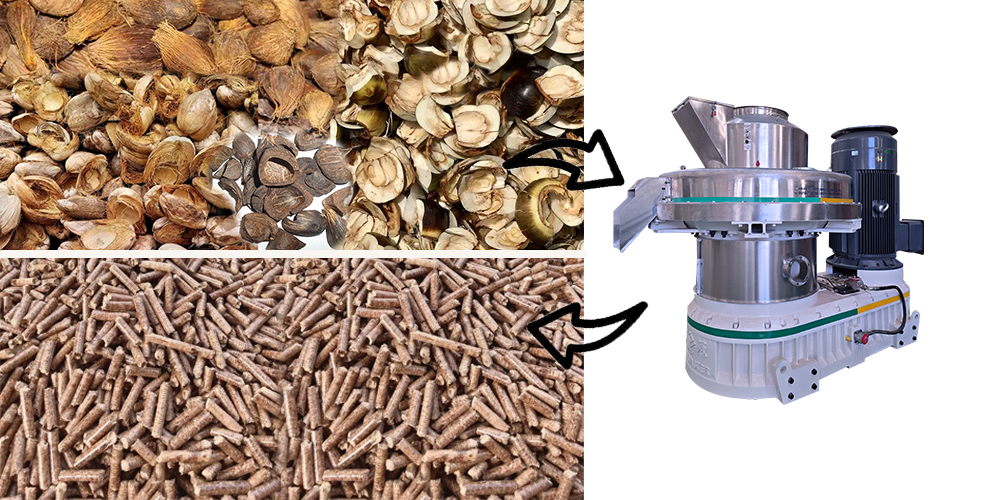
Growing global renewable energy demand and stricter local environmental policies make the palm kernel shell pellet production line a top circular economy choice. It turns local abundant PKS waste into high-value export fuel, serving as a low-risk, high-reward investment for palm mills and green energy investors to sustain Southeast Asia’s biomass energy sector.