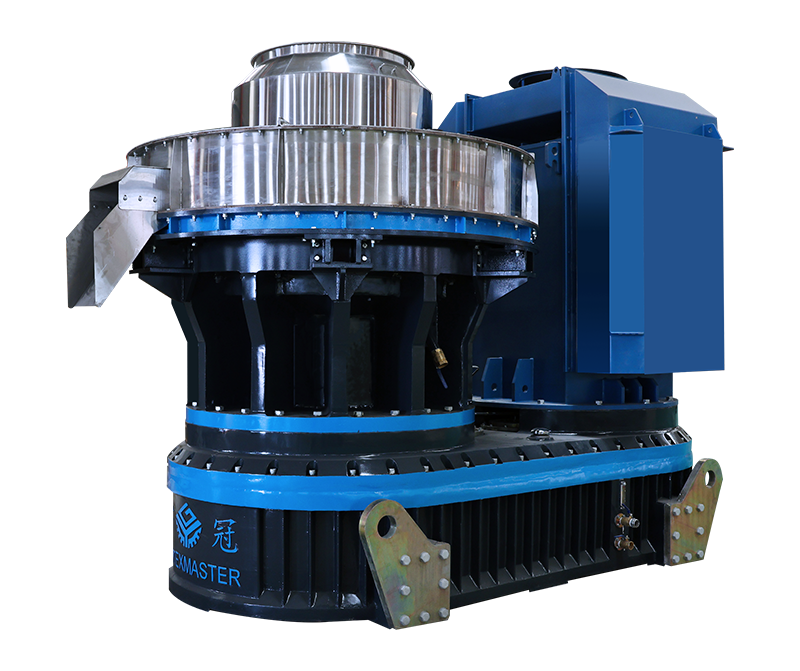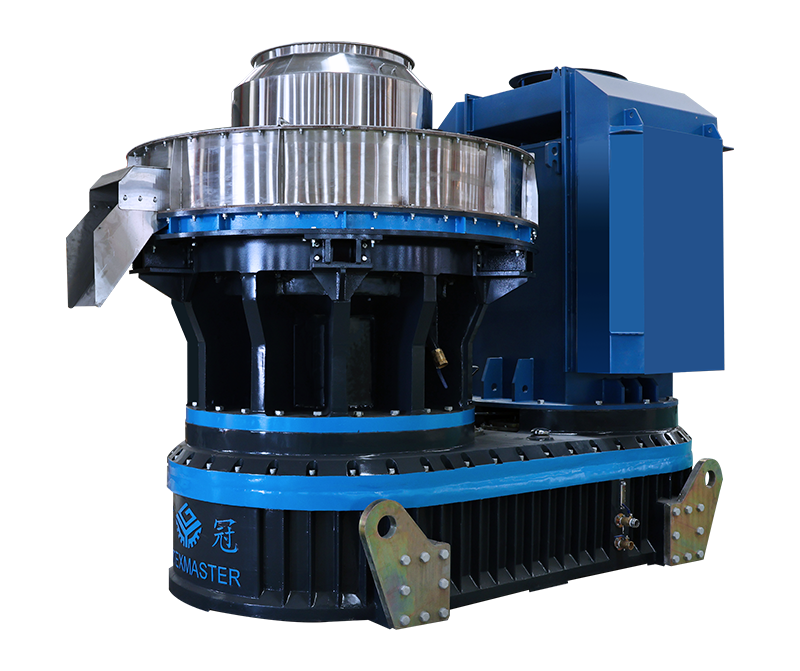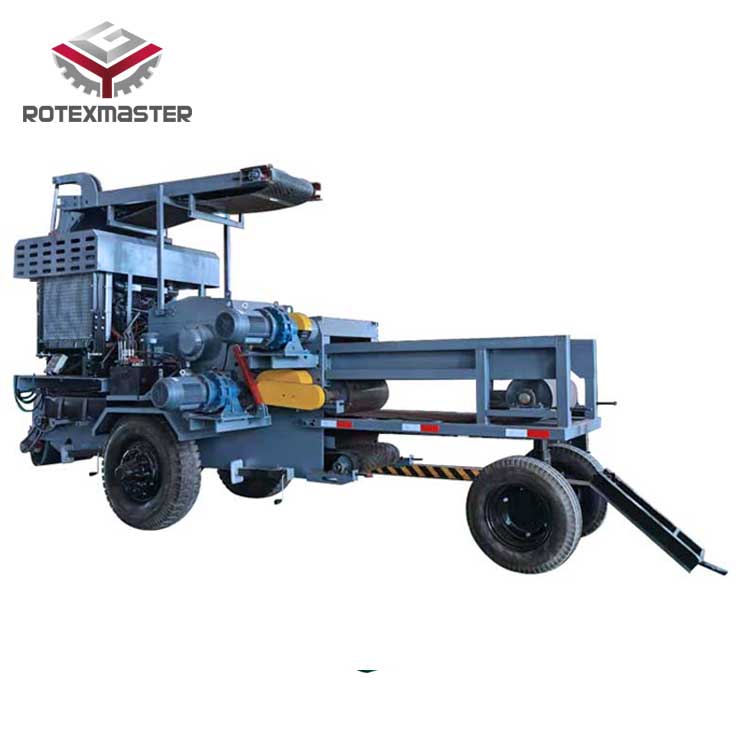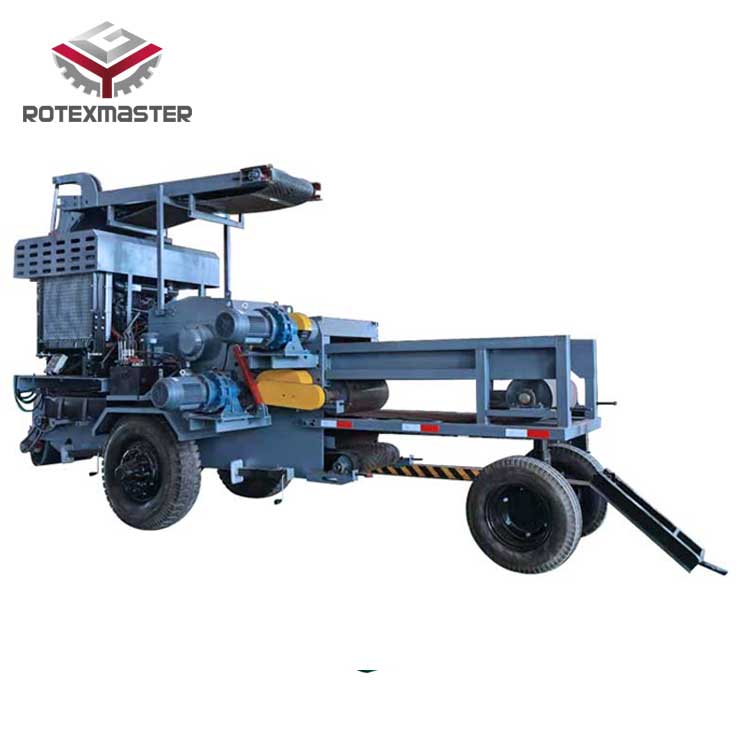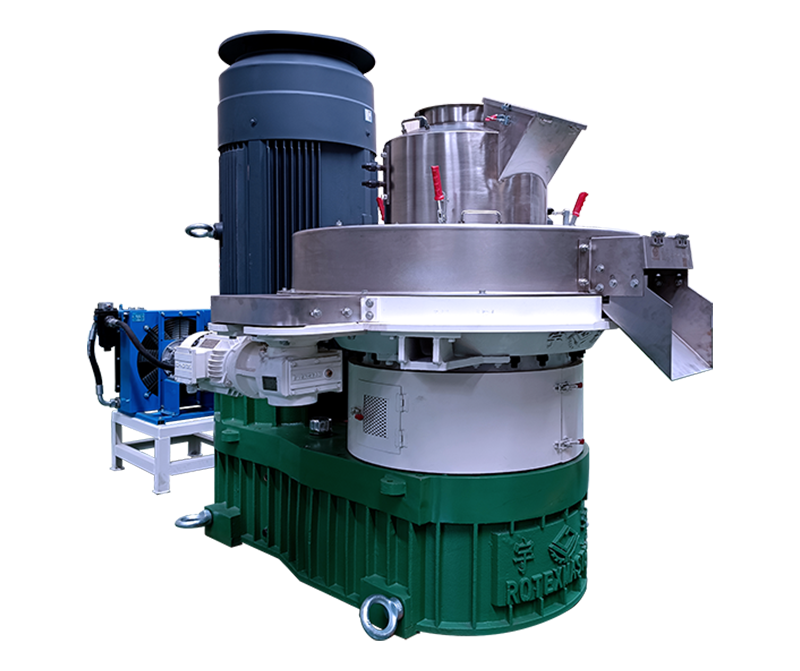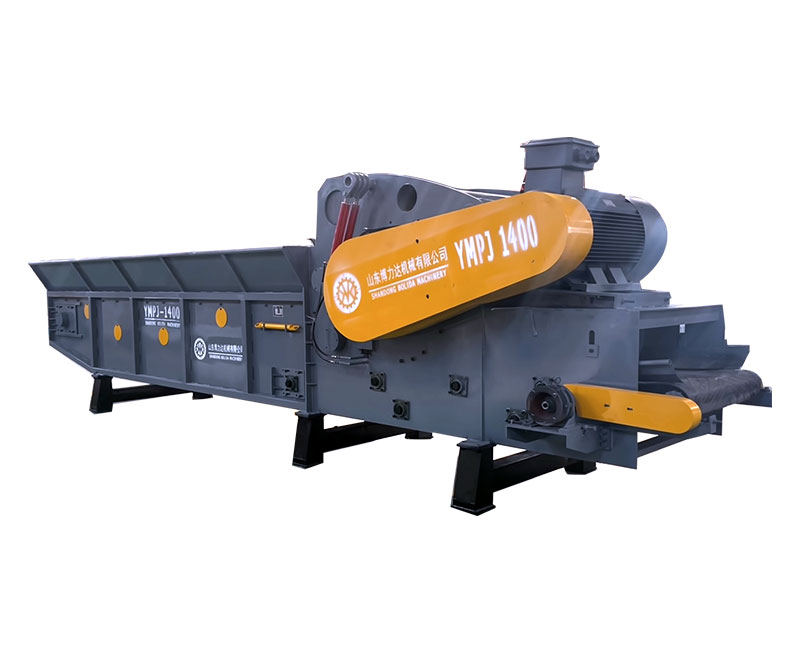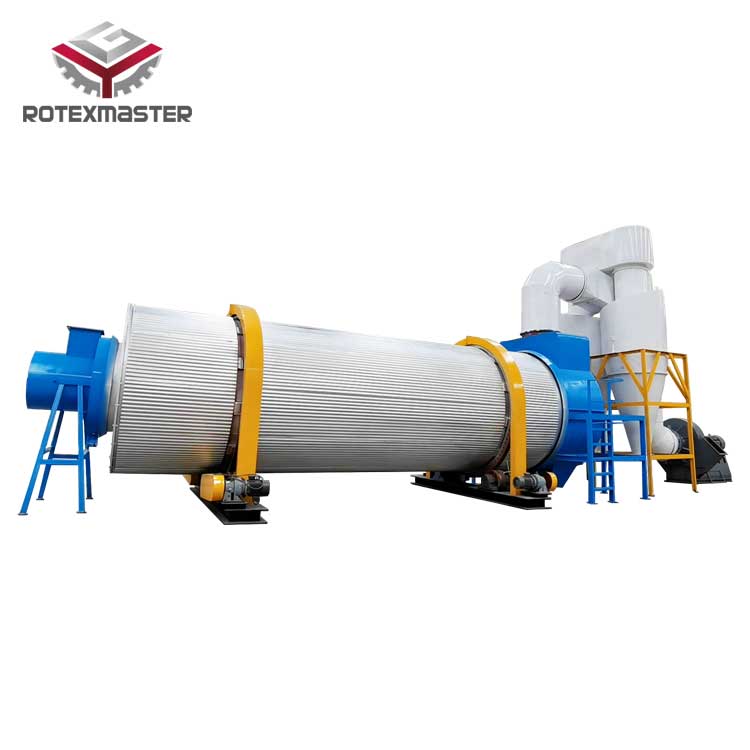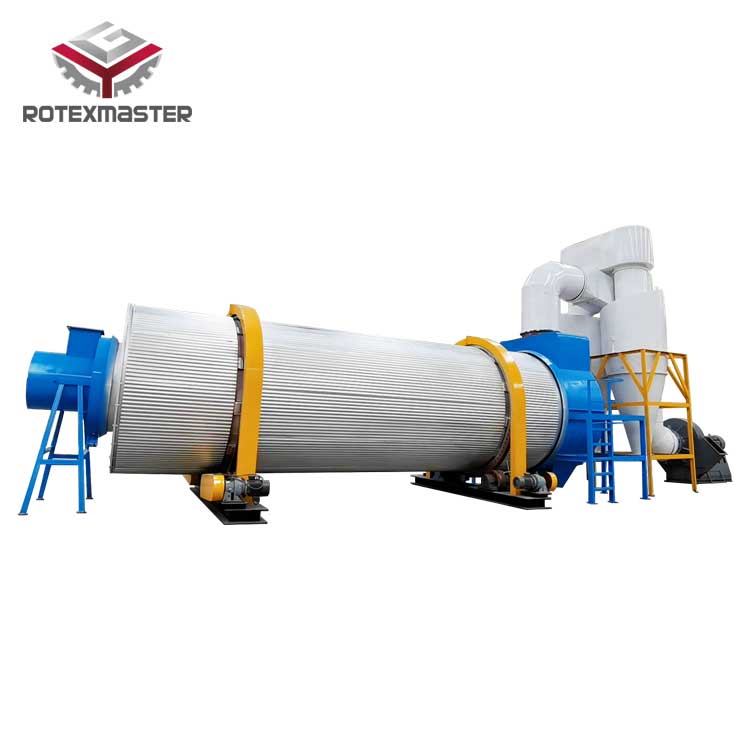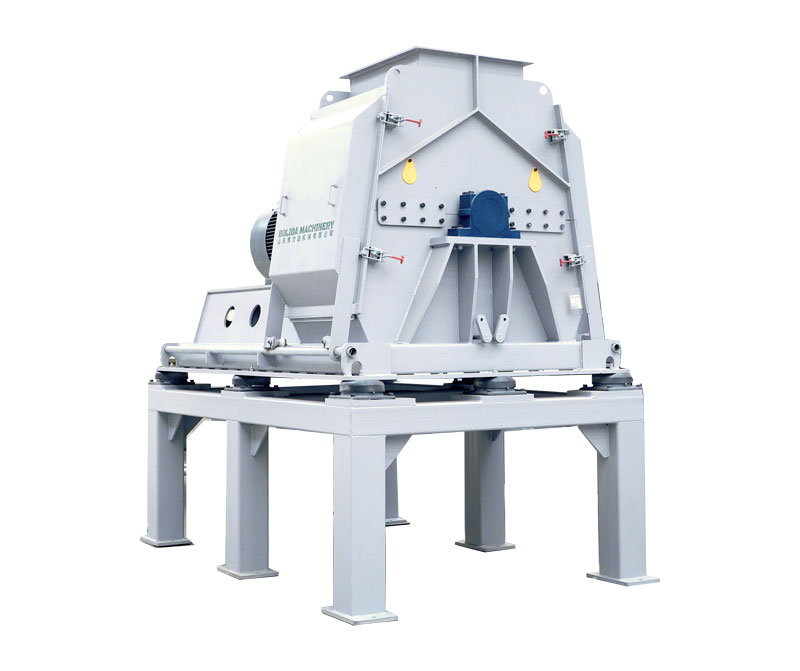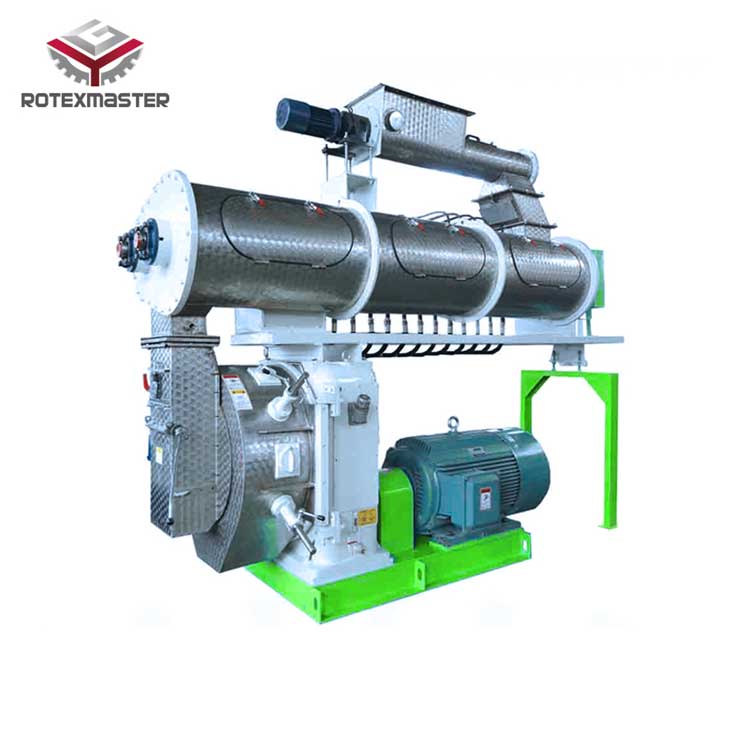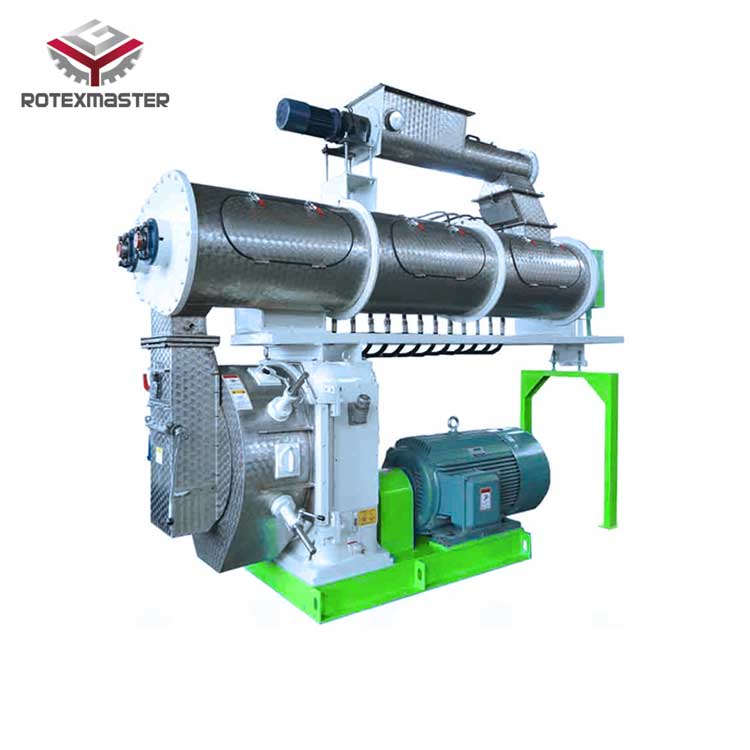


Sludge-biomass fuel pellet production is a proven and sustainable waste-to-energy technology adopted worldwide. It mixes industrial and municipal sludge with agricultural and forest biomass raw materials to manufacture stable, high-value fuel pellets. To meet growing demands for circular economy development and solid waste reduction, sludge-biomass pellets are gradually replacing traditional sludge disposal methods such as landfill and incineration. Continuous technological upgrades have significantly improved production efficiency and pellet quality, supporting large-scale industrial promotion and global application.
Core Technological Improvements
Modern technologies have fully optimized the complete production process of composite sludge-biomass fuel pellets. Traditional single-sludge pellets have obvious drawbacks, including low calorific value, poor molding stability and high combustion pollution.
Current production solutions adopt scientific biomass proportioning, precise moisture control and high-pressure pelletization to effectively improve pellet density and overall combustion performance. Advanced material pretreatment and intelligent temperature control systems reduce production energy consumption and eliminate peculiar odors. Standardized mixing ratios also solve the performance instability of pure sludge fuel. These comprehensive technical optimizations enable finished pellets to meet international biomass fuel standards.
Diverse Application Scenarios
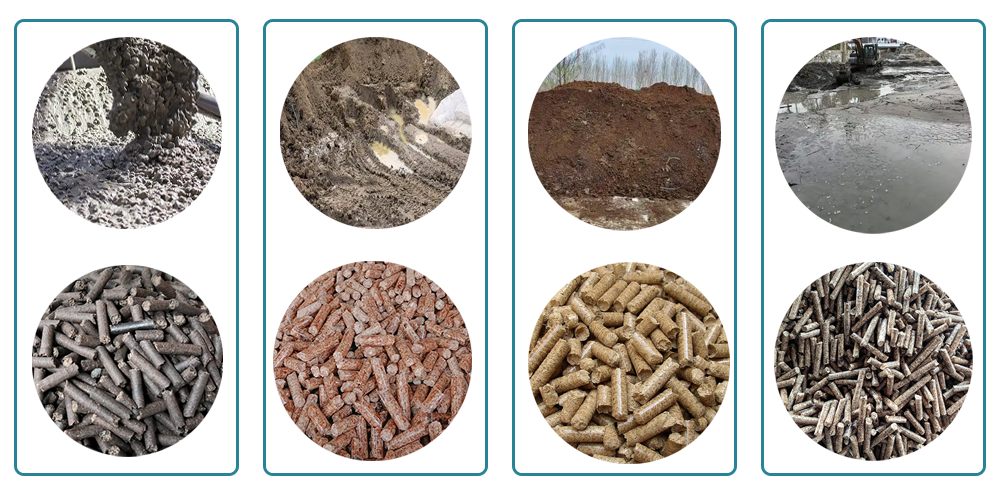
Energy Supply: Suitable for industrial boiler combustion, biomass power generation and factory thermal energy supply.
Residential and Agricultural Use: Serves as auxiliary fuel for domestic heating and daily agricultural production.
Environmental and Economic Benefits: Effectively reduces carbon emissions and solid waste accumulation. The technology allows sewage plants and industrial enterprises to realize on-site sludge recycling, greatly lowering waste disposal costs and improving overall economic returns.
Global Application Cases
Worldwide engineering projects have fully validated the practicability and reliability of sludge-biomass fuel pellet technology:
South Korea: Produces fuel pellets from sludge and agricultural waste for industrial power generation and commercial heating.
Sweden & Poland: Recycles sludge and biomass residues to produce clean renewable energy.
North America: Applies forest waste blended with sludge materials to manufacture pellets for biomass power generation.
All these regional practices achieve efficient solid waste recycling and low-carbon energy utilization.
Market Outlook
The sludge-biomass fuel pellet industry presents promising development prospects. Global environmental protection policies and circular economy incentives continuously drive the expansion of the biomass fuel market. Mature sludge treatment and pelletizing equipment effectively reduce technical and financial barriers for industrial promotion.
Many regions with abundant biomass resources and large sludge output are actively launching large-scale pellet production projects. Ongoing technological iterations will further improve the combustion efficiency and environmental performance of sludge-biomass pellets, providing solid support for long-term industrial development.
Conclusion
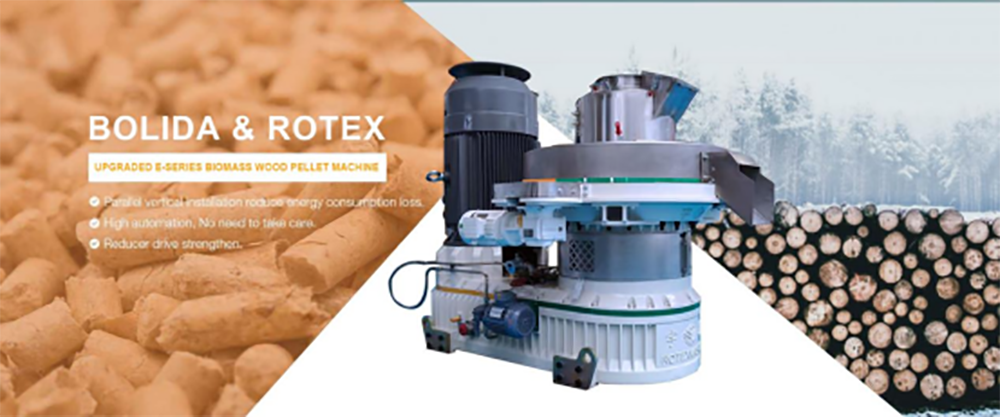
Technological innovation lays a solid foundation for the industrialization of sludge-biomass fuel pellets. Optimized production workflows and stable product quality make this waste-to-energy technology both environmentally friendly and economically viable.
With the rising global demand for renewable energy and solid waste resource recycling, sludge-biomass fuel pellets will become a critical sustainable energy product. It will create long-term market value and environmental benefits for the global biomass energy and waste treatment industries.