

Learn key factors to select a reliable wood chipper for logs and branch waste. Compare capacity, power, feeding system and chip size for forestry, landscaping and biomass recycling.
Wood and branch waste creates storage and disposal headaches for forestry crews, landscapers and biomass processors. A good wood chipper turns bulky logs, tree limbs and brush into usable wood chips for mulch, biomass fuel or panel raw material. Picking the wrong model causes frequent jams, low throughput and high maintenance costs. Below are practical criteria to match your operation with the right machine.
Core factors to evaluate before buying
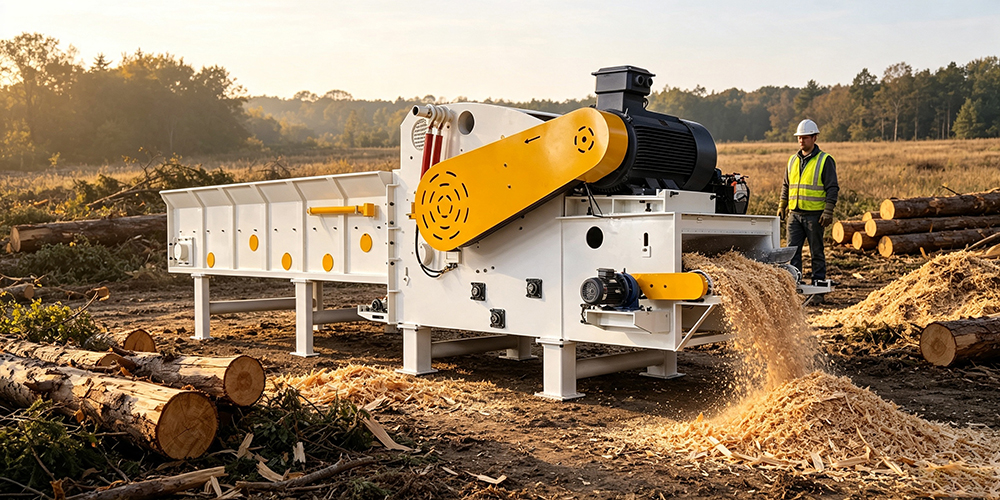
Maximum feeding diameter: Match the rated capacity to your largest regular log or branch. Leave 10–20% extra tolerance for irregular hardwood logs.
Hourly throughput: Calculate your daily waste volume. Small landscaping jobs need 3–8 t/h; commercial biomass sites require 10 t/h and above.
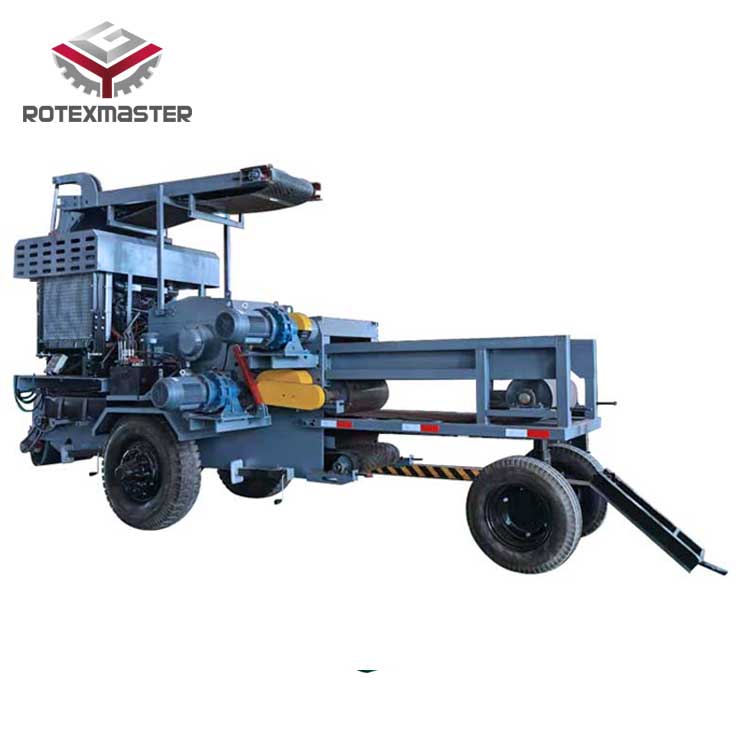
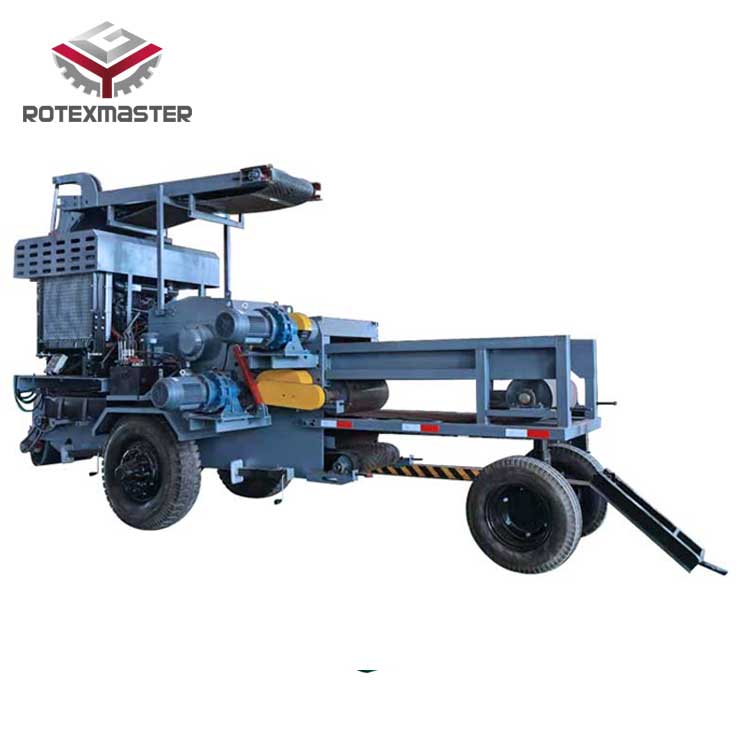
Power mode: Mobile diesel wood chipper for remote forest sites without grid power. Comprehensive wood chipper suits fixed recycling yards and indoor workshops.
Feeding structure: Hydraulic auto-feed reduces blockage risk when handling tangled branches or crooked logs.
Chip size adjustability: Replaceable screens let you switch between fine mulch and uniform biomass chips.
Quick reference table
| Operation Type | Typical Raw Material | Recommended Chipper Spec |
| Landscape & garden maintenance | Small branches, twigs | YMPJ216 |
| Tree service & urban clearing | Mixed branches, small logs | YMPJ218, YMPJ1300-300 |
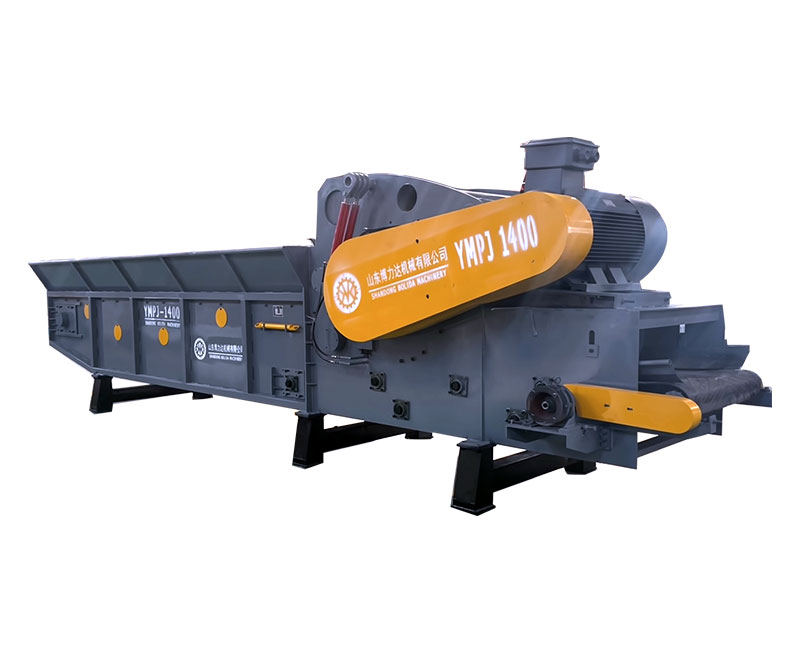
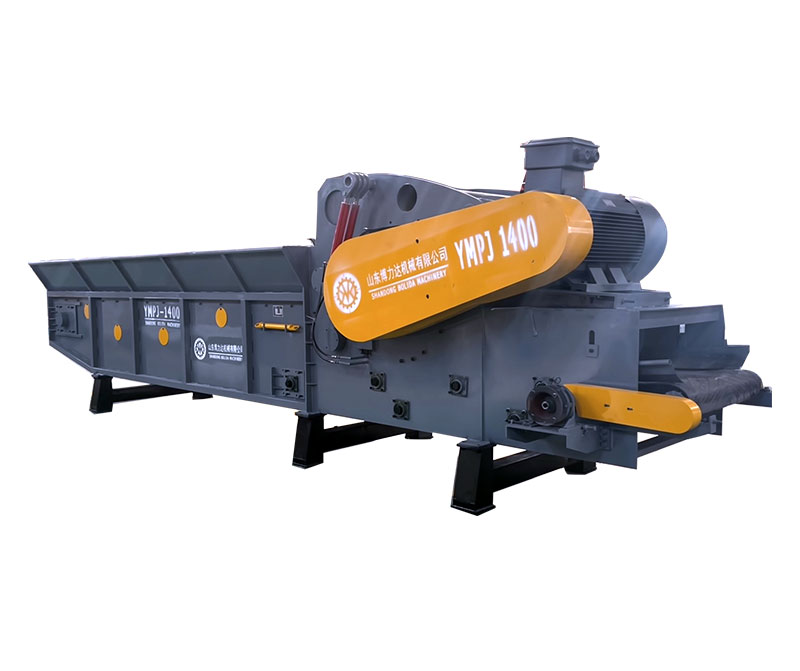
| Biomass fuel & forest residue | Hardwood logs, heavy limbs | YMPJ2113, YMPJ1300-600, YMPJ1400 |
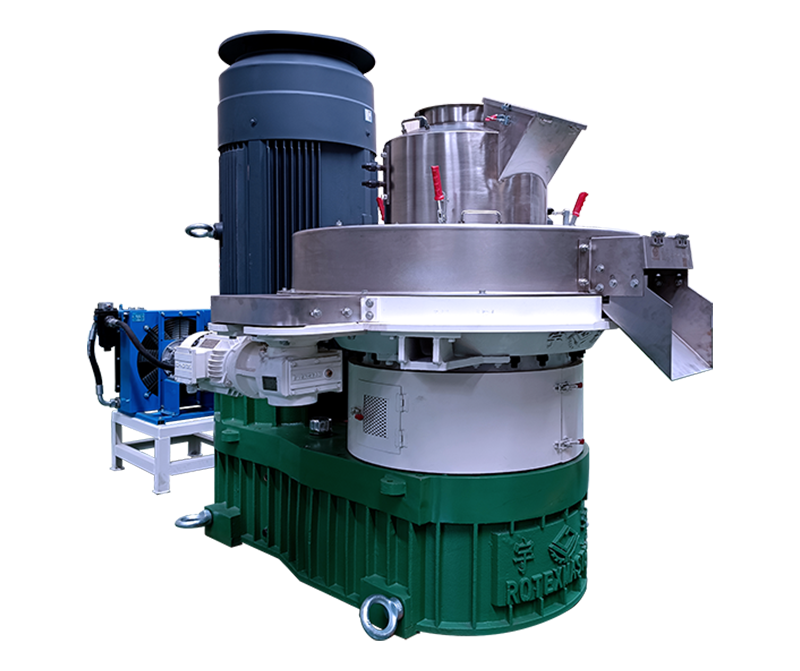
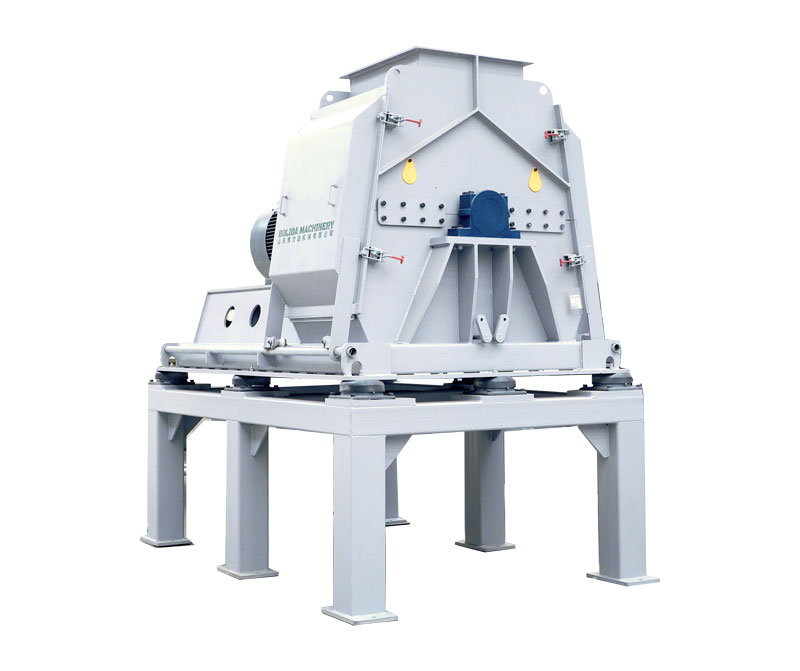
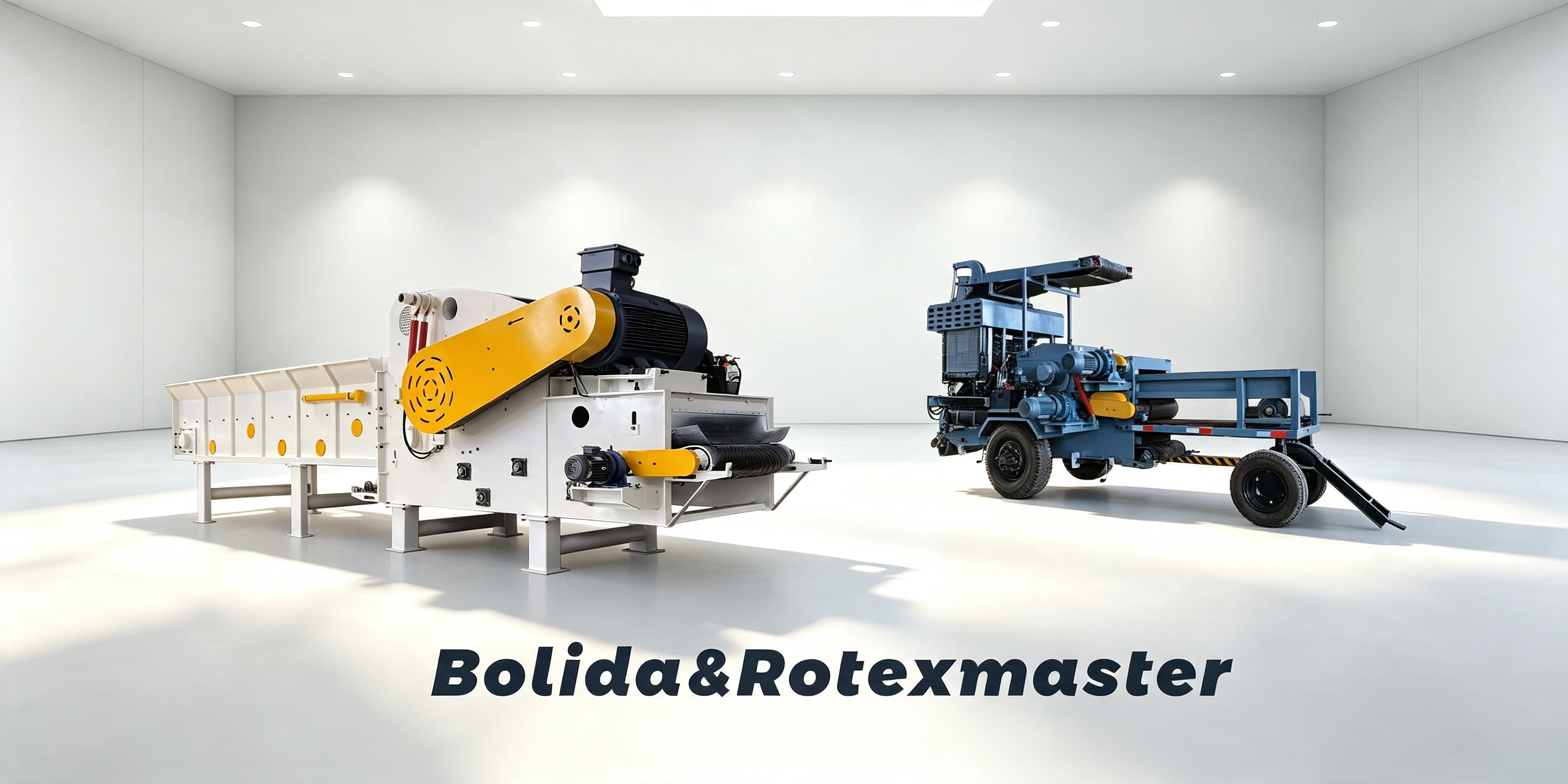
For buyers seeking stable performance on mixed logs and branch waste, Bolida&Rotexmaster wood chippers are built for continuous heavy-duty chipping. These machines adopt thick rotor assemblies and alloy cutting blades to reduce wear from knotty hardwood. The anti-jam hydraulic feeding system handles messy mixed waste smoothly. Operators can adjust chip output easily for mulch or biomass production. Multiple power and mobility options cover small contractors and large biomass factories alike.
FAQ
Q: Are the Bolida & Rotexmaster wood chippers suitable for processing logs and branches?
A: Of course, the Bolida & Rotexmaster wood chipper can be used to crush materials such as round logs, small-diameter logs, branches, twigs, bark, strips, and bamboo.
Q: Can one chipper serve landscaping and biomass fuel production?
A: Yes, if it supports replaceable sizing screens. Bolida&Rotexmaster configurable models help operators reuse the same machine for mulch and biomass chips.
Q: What maintenance matters most for long service life?
A: Check blade sharpness daily, clean the rotor chamber regularly and inspect hydraulic feed lines if you process high volumes of muddy branch waste.
A well-matched wood chipper lowers transport fees, cuts waste volume and creates a saleable by-product. Focus first on your raw material size, hourly output target and job-site power access. When reliability and consistent chip quality matter for regular log and branch waste processing, Bolida&Rotexmaster heavy-duty wood chippers offer a practical industrial solution.